The Impact of Homelessness on Individuals with Cats: A Comprehensive Analysis
Introduction
Homelessness affects countless people across the globe, and those who share life on the streets with a cat face a distinct set of difficulties. This article explores the social, emotional, and financial realities of being homeless while caring for a feline companion, highlighting why inclusive services matter.
The Social Challenges of Homelessness with a Cat
Isolation and Stigma
People living without shelter often encounter judgment for keeping an animal, because pets are mistakenly viewed as non-essential. Many emergency shelters turn cats away, leaving owners outside the safety net. Negative public attitudes can deepen loneliness and discourage individuals from seeking help.
Access to Resources
Finding food, safe rest, and medical aid is harder when facilities exclude animals. A person may skip a warm bed or a hot meal rather than leave a beloved cat unattended, reinforcing cycles of hardship for both human and animal.
The Psychological Impact of Homelessness with a Cat
Stress and Trauma
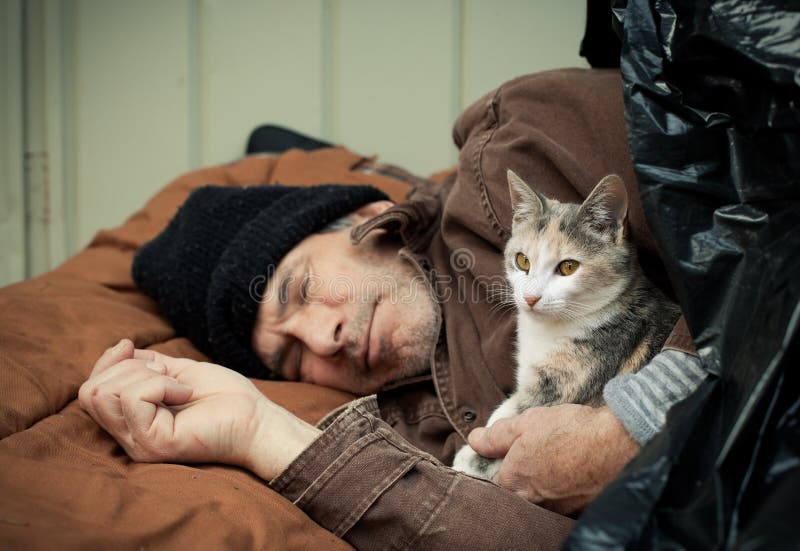
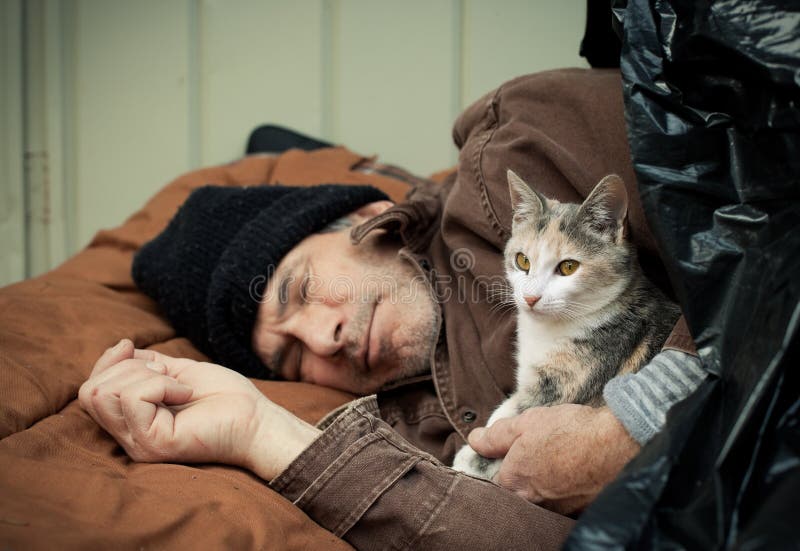
While daily survival is stressful, a cat can offer comfort and routine. Yet worry about the pet’s safety, especially during bad weather or police sweeps, adds another layer of anxiety. The relationship is therefore both soothing and a source of concern.
Resilience and Coping Mechanisms
Many guardians draw strength from daily caregiving—filling a water bowl or sharing a blanket fosters purpose. Reliable companionship can ease feelings of depression and help owners face each new day.
The Economic Challenges of Homelessness with a Cat
Cost of Care
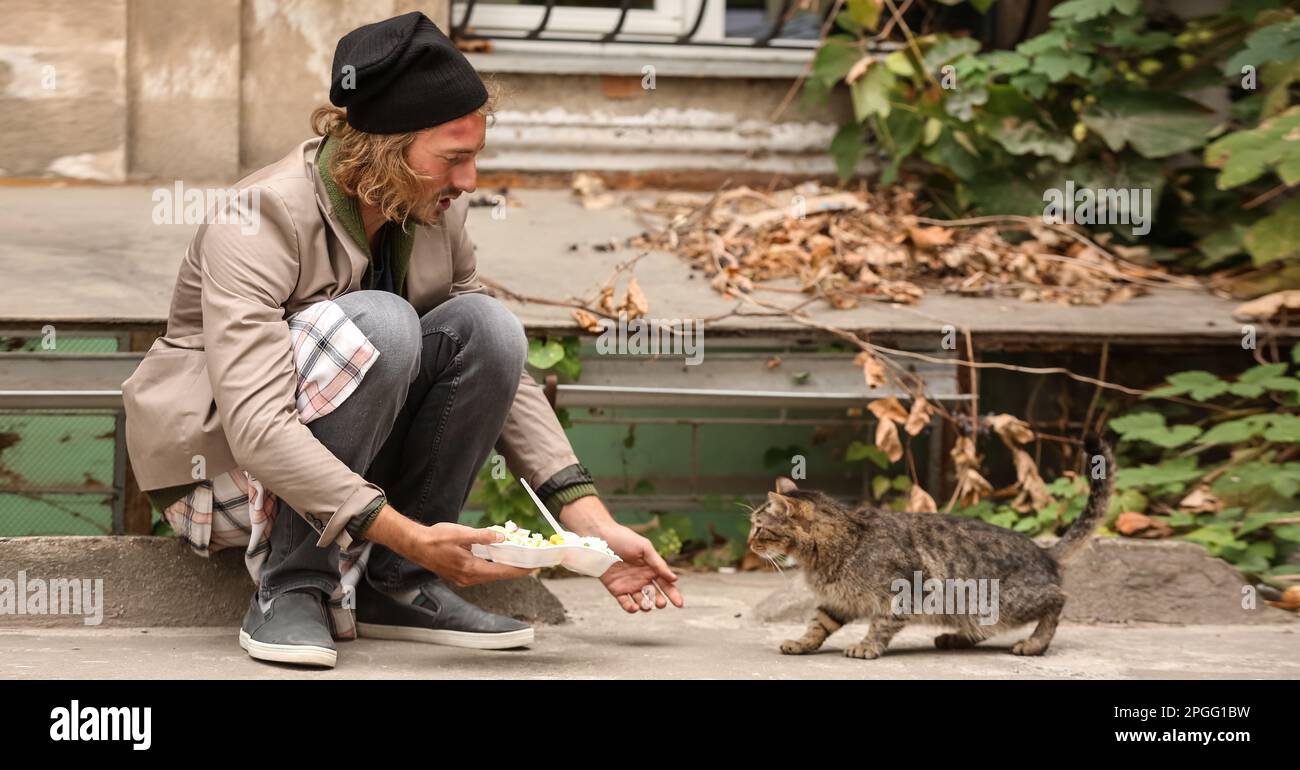
Even basic supplies—kibble, flea treatment, or an occasional vet visit—strain extremely limited budgets. Owners routinely sacrifice their own meals or clothing to protect their pet’s health.
Job Opportunities
Job prospects shrink when day shelters or potential employers forbid animals on site. Without safe pet daycare, an owner may miss interviews or shifts, perpetuating unemployment.
Case Studies and Personal Narratives
Personal Stories of Homelessness with a Cat
First-hand accounts reveal deep devotion: a veteran who credits his tabby with easing nightmares, or a young woman who panhandles only in cat-friendly plazas to avoid separation. These stories underline the powerful human-animal bond and the need for understanding.
Policy Recommendations and Future Research
Policy Recommendations
To ease these burdens, communities can:
– Expand shelter options that welcome cats in dedicated, hygienic spaces.
– Offer small grants or voucher programs for vaccinations, spay/neuter, and food.
– Encourage employers to provide short-term pet care or flexible hours during transition periods.
Future Research
More study is needed on:
– How pet-friendly services affect housing retention and owner well-being.
– Mental-health outcomes linked to keeping a companion animal while unhoused.
– Effective ways to reduce stigma and promote community acceptance.
Conclusion
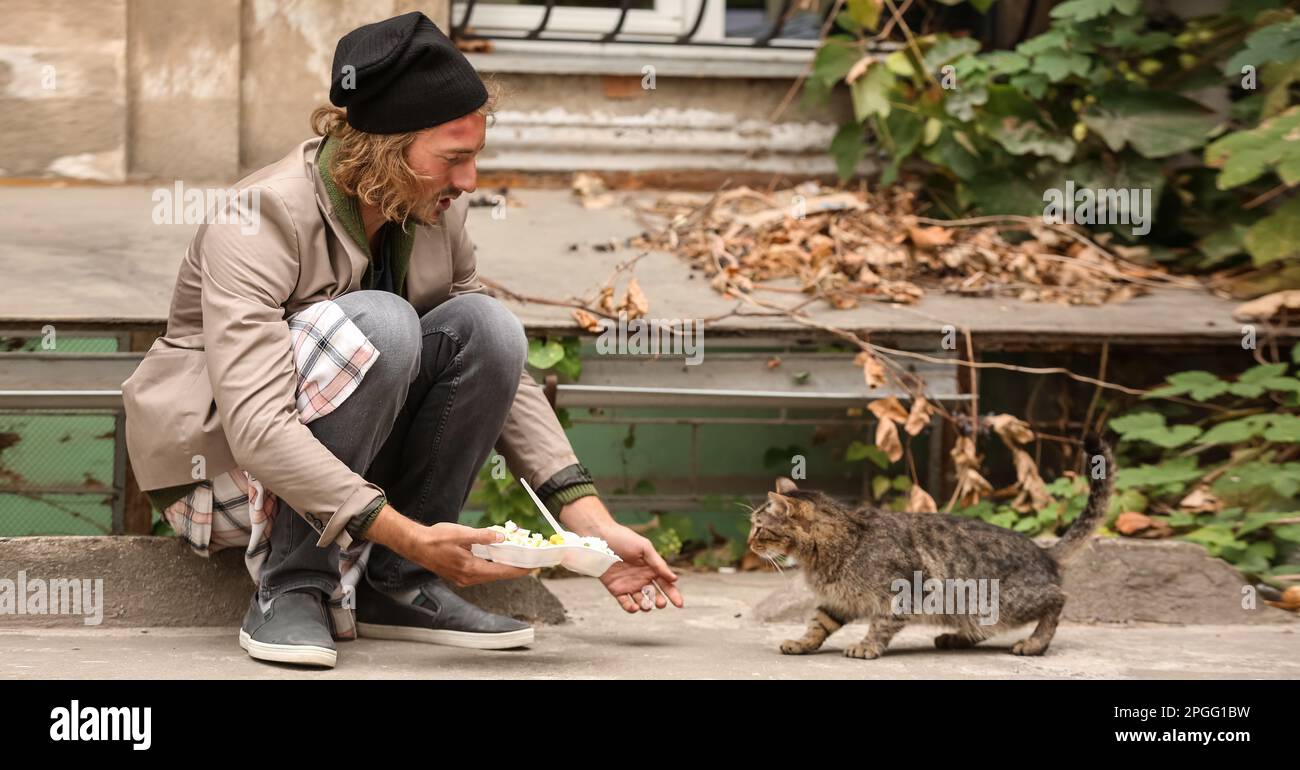
Homelessness is tough; sharing it with a cat multiplies both the challenges and the reasons to persevere. By crafting inclusive policies, funding practical supports, and nurturing public empathy, society can ensure that neither person nor pet is left behind.