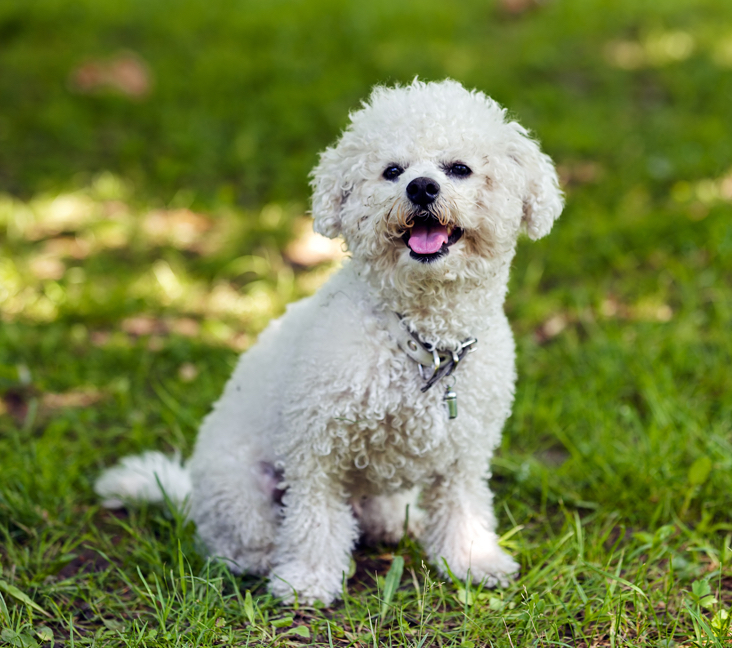
Adopting a Bichon Frise: A Friendly Guide to Welcoming a Fluffy Friend
Introduction
Pet adoption continues to grow in popularity as more families choose to give rescue animals a second chance. Among the breeds that capture hearts is the cheerful Bichon Frise. With its cloud-like coat, merry disposition, and reputation for triggering fewer allergies, the Bichon suits a wide range of households. This guide walks you through everything you need to know before bringing one of these little charmers home.
The Bichon Frise at a Glance
Bred originally as companion dogs, Bichons are small, sturdy powder puffs celebrated for their sociable nature. Below are the essentials prospective guardians should keep in mind:
1. Size and Look
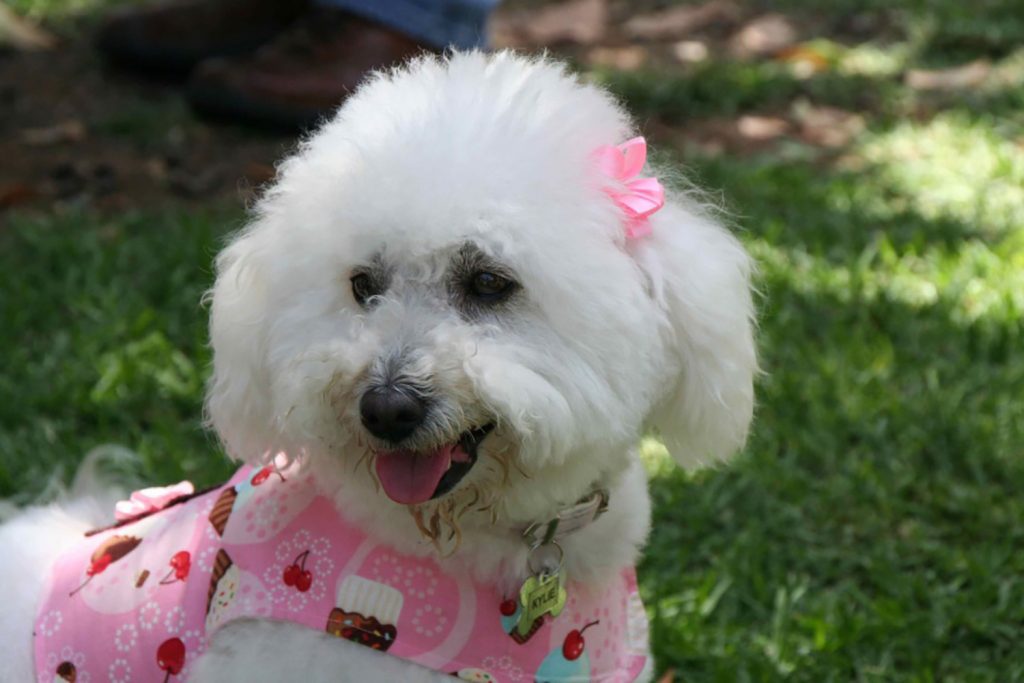
Most Bichons weigh between 5 and 8 kg and stand roughly 23–28 cm at the shoulder. Their compact build makes them easy travel buddies and great for cosy living spaces.
2. Personality
Expect a tail-wagging extrovert. Bichons usually adore children, polite dogs, and welcoming strangers alike. Their playful energy is balanced by a cuddle-ready affection that brightens any room.
3. Grooming Needs
The signature curly coat demands daily brushing to avoid tangles and a gentle bath every few weeks. Many guardians book professional grooming every couple of months to keep that rounded “powder-puff” silhouette.
4. Exercise and Enrichment
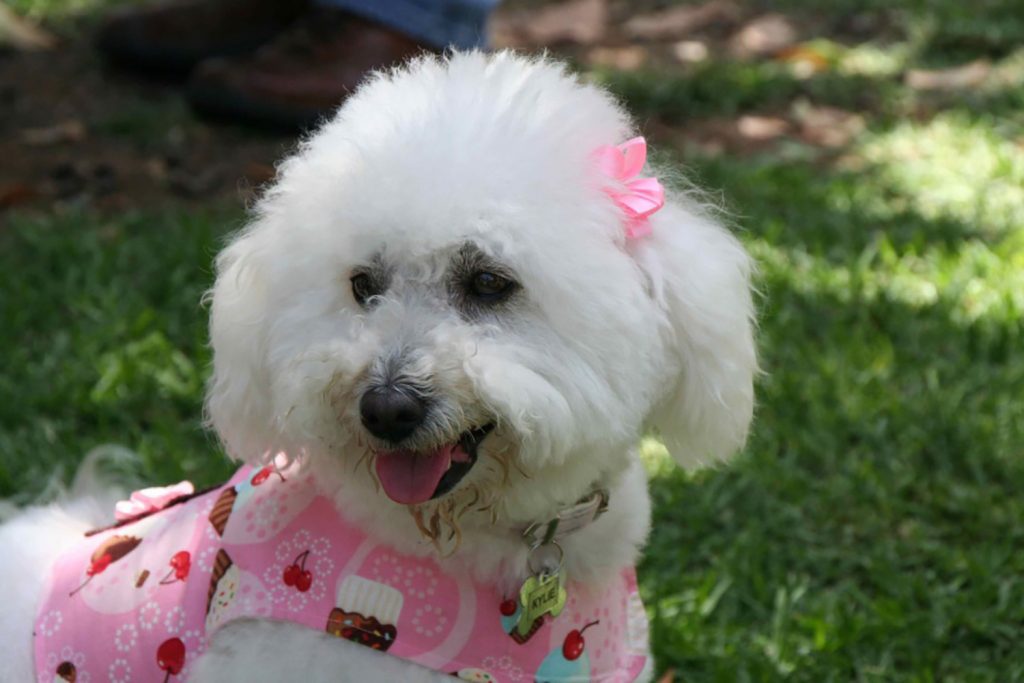
A moderate walk twice a day, plus indoor games or puzzle toys, keeps a Bichon fit and mentally satisfied. They thrive on interaction, so shared activities beat solo yard time.
Where to Find a Bichon Ready for Adoption
1. Community Shelters and All-Breed Rescues
Start close to home. City shelters and private rescue groups often have small white dogs waiting for new beginnings. Visit in person, speak with volunteers, and keep an open mind—sometimes a mixed-breed companion has the same lovable spark.
2. Nationwide Adoption Websites
Searchable databases let you filter by age, size, and location. Set up email alerts so you are notified when a dog matching your criteria becomes available. When one catches your eye, contact the listing organisation promptly; small, friendly breeds move quickly.

3. Breed-Focused Rescue Networks
Volunteer groups dedicated to Bichons occasionally rehome dogs whose owners could no longer care for them. These charities typically place dogs in foster homes, so you receive detailed notes on health, habits, and house-training status. Expect an application and possibly a short wait while they match you to the right dog.
Steps in the Adoption Journey
1. First Conversation
Reach out to the organisation for background on the dog’s temperament, medical care, and any special needs. Honest questions help both sides decide if the fit feels right.
2. Meet-and-Greet

Arrange a calm introduction on neutral ground or at the foster home. Observe how the dog responds to you and, if applicable, to every member of your household—including other pets.
3. Paperwork
Complete an application covering your living situation, past pet experience, and plans for exercise and veterinary care. References from a veterinarian or responsible friends may be requested.
4. Home Check
Some groups arrange a quick virtual or in-person tour to confirm fences, balcony safety, and general readiness. Think of it as free advice rather than an exam.
5. Finalising the Adoption

Sign the adoption contract, pay the standard fee (usually covering sterilisation, vaccines, and microchip), and schedule a pick-up day that allows a relaxed ride home.
Tips for a Smooth Transition
1. Prepare Supplies in Advance
Stock up on a soft bed, size-appropriate harness, gentle shampoo, quality kibble, and a few sturdy toys. Having everything ready reduces first-day stress.
2. Move Slowly
Even confident dogs need a few weeks to learn household rhythms. Offer predictable meal times, gentle handling, and a quiet retreat corner.

3. Budget for the Long Run
Plan for routine vet visits, grooming appointments, nutritious food, and an emergency fund. A little financial foresight prevents tough decisions later.
4. Invest in Training
Reward-based classes strengthen your bond and channel the Bichon’s bright mind into polite manners. Short, fun sessions beat long drills.
Conclusion
Opening your door to a rescued Bichon Frise means gaining a loyal shadow who will greet each morning with enthusiasm and close every evening with quiet companionship. By researching the breed, choosing a reputable adoption source, and committing to patient, loving care, you set the stage for a friendship that will soften life’s edges—one wag at a time.