



English Bulldog Puppies: A Complete Guide to the Breed and Its Care
Introduction
English Bulldog puppies have captured hearts worldwide with their unmistakable looks and gentle disposition. Compact yet powerful, these dogs combine a lovable personality with a striking appearance. This guide explores the breed’s background, traits, common health considerations, and everyday care so that prospective owners know what to expect.
The History of the English Bulldog
The English Bulldog traces its roots to the British Isles, where it was first developed for demanding farm work. Once public attitudes shifted toward more humane treatment of animals, enthusiasts transformed the breed into a devoted household companion. Over time, its image evolved into a worldwide symbol of courage and steadfast loyalty.
Characteristics of English Bulldog Puppies

From their wrinkled faces to their steady temperament, Bulldog puppies stand out in several ways:
Physical Appearance
– Sturdy Frame: A broad chest and muscular body give the breed its iconic silhouette.
– Short Muzzle: The flattened nose contributes to the Bulldog’s unique look but also calls for extra attention in warm weather.
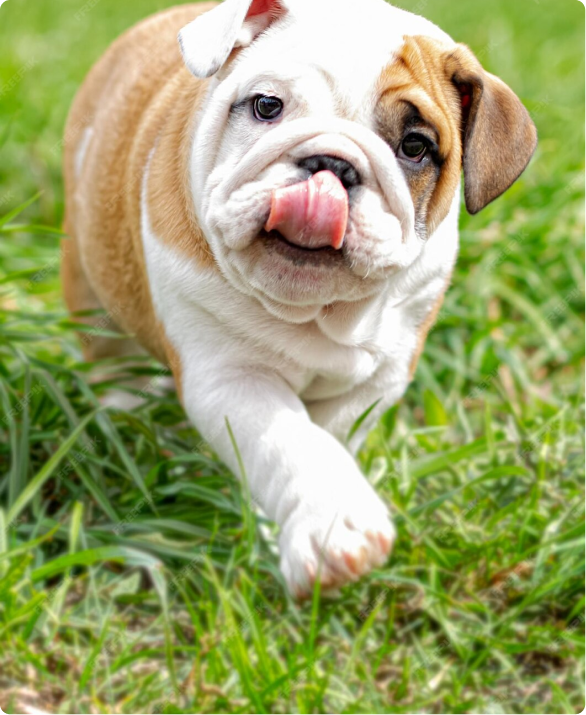
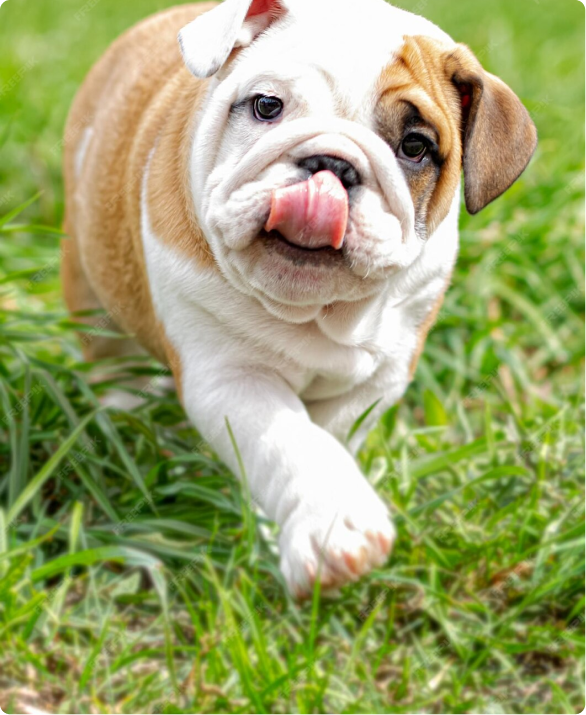
– Wrinkled Skin: Deep facial folds require regular cleaning to prevent irritation.
– Rose or Button Ears: Small, folded ears sit high on the head, adding to the breed’s expressive face.
Temperament
– Affectionate Nature: Bulldogs form strong bonds and thrive on human company.

– Easy-Going Attitude: They adapt well to apartments or larger homes, provided they receive daily interaction.
– Keen Mind: Patient, reward-based training brings out their natural intelligence.
Health Concerns in English Bulldog Puppies
Like many purebred dogs, Bulldogs can face hereditary challenges. Awareness and preventive care make a significant difference:
Brachycephalic Syndrome
– Their shortened airway can cause snorting, rapid fatigue, or heat sensitivity. Keeping exercise mild and providing shade are simple safeguards.
Skin Care
– Moisture trapped in skin folds may lead to redness or infection. Weekly wiping and thorough drying keep problems at bay.
Joint Health
– A solid build places extra stress on hips and elbows. Maintaining an ideal weight and offering joint supplements, when recommended by a veterinarian, support long-term mobility.
Proper Care for English Bulldog Puppies
Meeting a Bulldog’s needs is straightforward when you follow a consistent routine:
Feeding
– Measure meals instead of free-feeding to avoid excess weight. A quality diet formulated for medium-sized breeds provides balanced nutrition.
Exercise
– Two or three brief walks plus light play keep muscles toned without overexertion. Avoid the hottest part of the day to prevent overheating.
Grooming
– A soft brush several times a week reduces shedding. Monthly baths, nail trims, and ear checks round out basic maintenance.
Training
– Short, upbeat sessions work best. Treats and praise motivate Bulldogs far better than harsh corrections.
The Importance of Responsible Breeding
A healthy, well-adjusted puppy starts with ethical breeders who prioritize welfare over profit:
Health Testing
– Screening parent dogs for cardiac, respiratory, and joint conditions lowers the risk of inherited disorders.
Temperament Focus
– Selecting breeding pairs with calm, friendly personalities helps ensure puppies grow into stable companions.
Ethical Standards
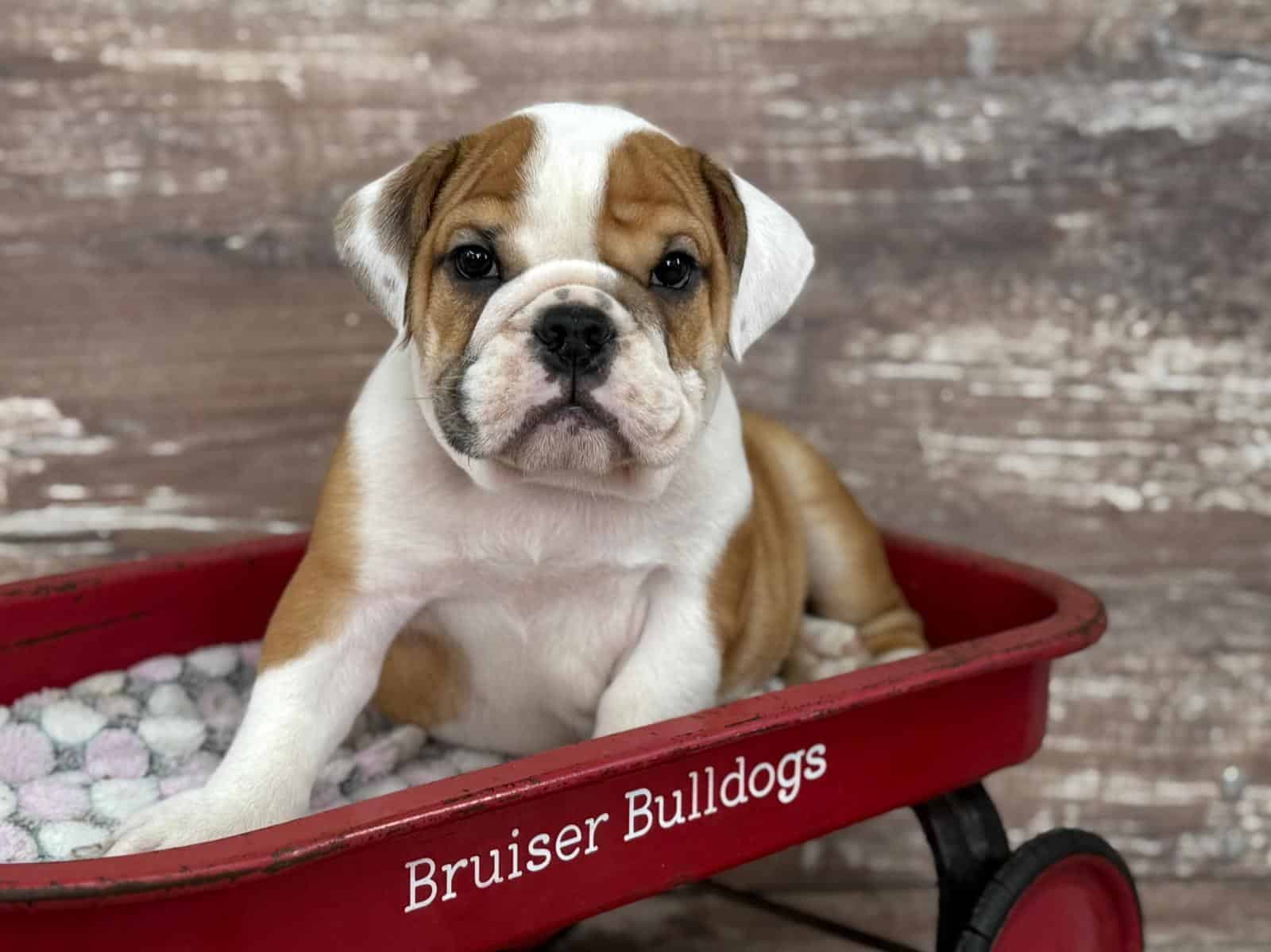
– Clean facilities, proper socialization, and lifetime return policies reflect a breeder’s commitment to every dog produced.
Conclusion
English Bulldog puppies reward dedicated owners with unwavering loyalty and endless charm. By learning about their background, recognizing their unique care requirements, and supporting responsible breeding, you set the stage for a joyful, healthy life together.


