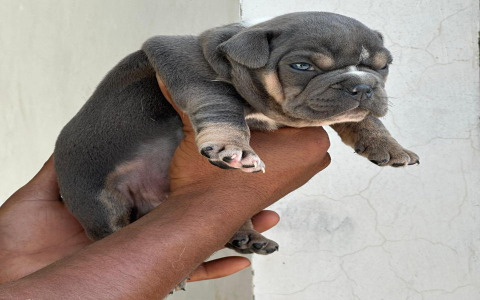
French Bulldog Adoption Guide: Finding Your Companion Without the High Price
Introduction
French Bulldogs have captured hearts worldwide with their playful spirit and compact size. While buying a puppy from a breeder can strain any budget, adoption offers an affordable path to welcoming this charming breed into your life. This guide walks you through safe, ethical ways to adopt a French Bulldog in your area without paying a purchase fee, while still covering essential care costs.
The Benefits of Choosing Adoption
1. Budget-Friendly First Steps
Adoption fees—when they exist—are a fraction of breeder prices and usually include initial vaccinations, microchipping, and spay/neuter. Many shelters waive fees during special events, letting you invest your savings in quality food, toys, and future vet visits instead.

2. A Second Chance
Every adopted dog gains a secure home, and you gain a grateful companion. Opening your door to a rescue frees shelter space for another animal in need and reduces the demand for large-scale breeding operations.
3. Personality Plus
Adult Frenchies often arrive with fully formed quirks—some are couch cuddlers, others love short hikes—so you can pick the energy level and temperament that meshes with your routine.
Locating an Available French Bulldog
1. Start Local

Call nearby municipal shelters and breed-specific rescue groups. Staff can add you to a wait-list and notify you when a French Bulldog arrives. Weekend adoption drives at pet-supply stores are another good place to meet available dogs in a relaxed setting.
2. Search Online Ethically
Reputable national databases let you filter by breed, age, and distance. Stick to profiles posted by verified 501(c)(3) organizations; avoid “free to good home” ads that lack veterinary references or home-check protocols.
3. Leverage Community Networks
Follow local rescue pages on social media, join neighborhood groups, and ask your veterinarian to share your interest. Word of mouth travels fast—someone whose life circumstances have changed may be seeking a caring new home for their Frenchie.
The Adoption Journey

1. Plan Ahead
List your non-negotiables—age, tolerance of kids or cats, exercise needs—and measure them against your schedule and housing rules. Gather landlord approval, a basic budget for ongoing care, and the name of a nearby clinic.
2. Meet Several Dogs
Schedule meet-and-greets at multiple rescues. Bring family members and observe interactions; a calm sniff and soft body language often signal a good match. Keep an open mind—sometimes the right dog chooses you.
3. Complete the Process
Expect an application, a short interview, and possibly a virtual home tour. Have references ready—your vet, a pet-sitter, or a neighbor who can vouch for your reliability. Once approved, sign the contract, pay any nominal fee, and arrange a gradual transition schedule.

Responsible Guardianship
Adoption is only the first chapter. Long-term success rests on daily commitment:
1. Learn the Breed
French Bulldogs overheat quickly and may develop breathing or joint issues. Provide cooling mats, limit strenuous walks on hot days, and keep weight in check with measured meals.
2. Prevent Future Litters
Spay or neuter unless the rescue has already handled it. This simple step curbs health risks and prevents accidental puppies.

3. Schedule Routine Care
Book annual exams, stay current on vaccines, and budget for common needs like allergy medication or dental cleanings. Pet insurance or a dedicated savings fund softens surprise expenses.
Conclusion
Adopting a French Bulldog is less about finding a “bargain” and more about building a lifelong bond. With patience, research, and a focus on welfare over price, you can welcome a healthy, happy Frenchie into your home and heart—while knowing you made a choice that benefits the wider animal community.
Future Research Directions
Studies could explore how virtual meet-and-greets affect adoption success rates for brachycephalic breeds. Long-term surveys tracking adopted French Bulldogs’ health outcomes might refine best-practice guidelines for shelters. Finally, research into low-cost wellness programs could highlight ways to keep adopted dogs in their new homes and out of the surrender cycle.