
Where to Find Pet Rabbits: A Practical Guide
Introduction
Rabbits win hearts with their quiet charm, playful hops, and easy-going daily needs. Still, locating a trustworthy place that has healthy rabbits can feel overwhelming. This guide walks you through the best ways to discover reputable outlets—whether stores or shelters—so you can bring home a happy, well-adjusted bunny.
Why the Source Matters
Where you obtain your rabbit affects its long-term health and temperament. A responsible source keeps animals in clean housing, handles them gently, and offers reliable care advice, giving your new pet the strongest possible start.
Health & Hygiene
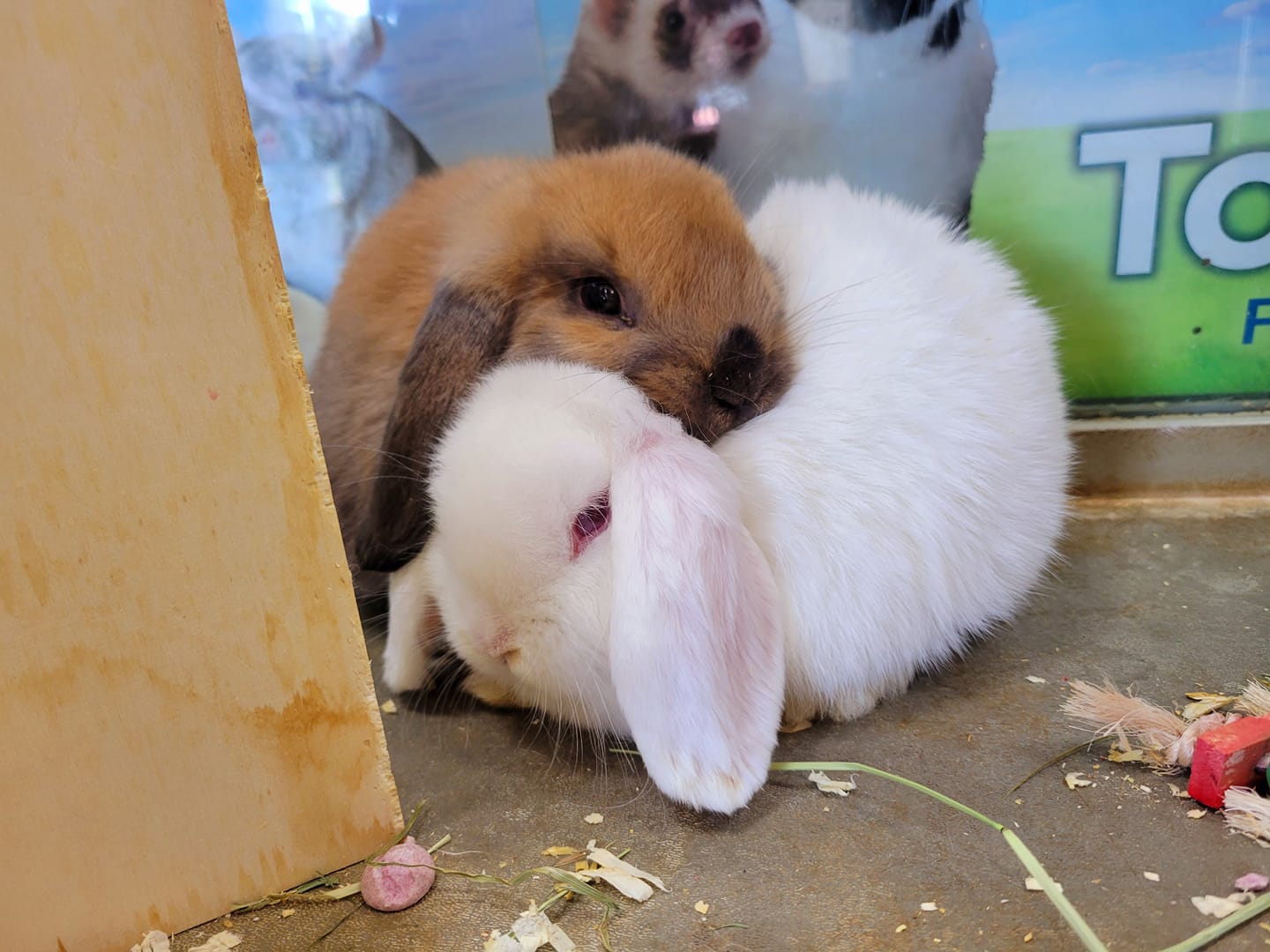
Look for bright eyes, clean ears, and a tidy enclosure. Good ventilation, fresh water, and spacious pens reduce stress and lower the risk of common illnesses such as snuffles or sore hocks.
Temperament & Socialization
Rabbits that meet gentle people every day become calmer companions. Ask whether staff interact with the youngsters daily; well-socialized kits adjust faster to home life.
Ongoing Support
A solid outlet answers questions after you leave—diet transitions, litter-training tips, even emergency contacts. Quick, friendly follow-up shows they care about the animal, not the sale.
How to Locate Rabbits Nearby
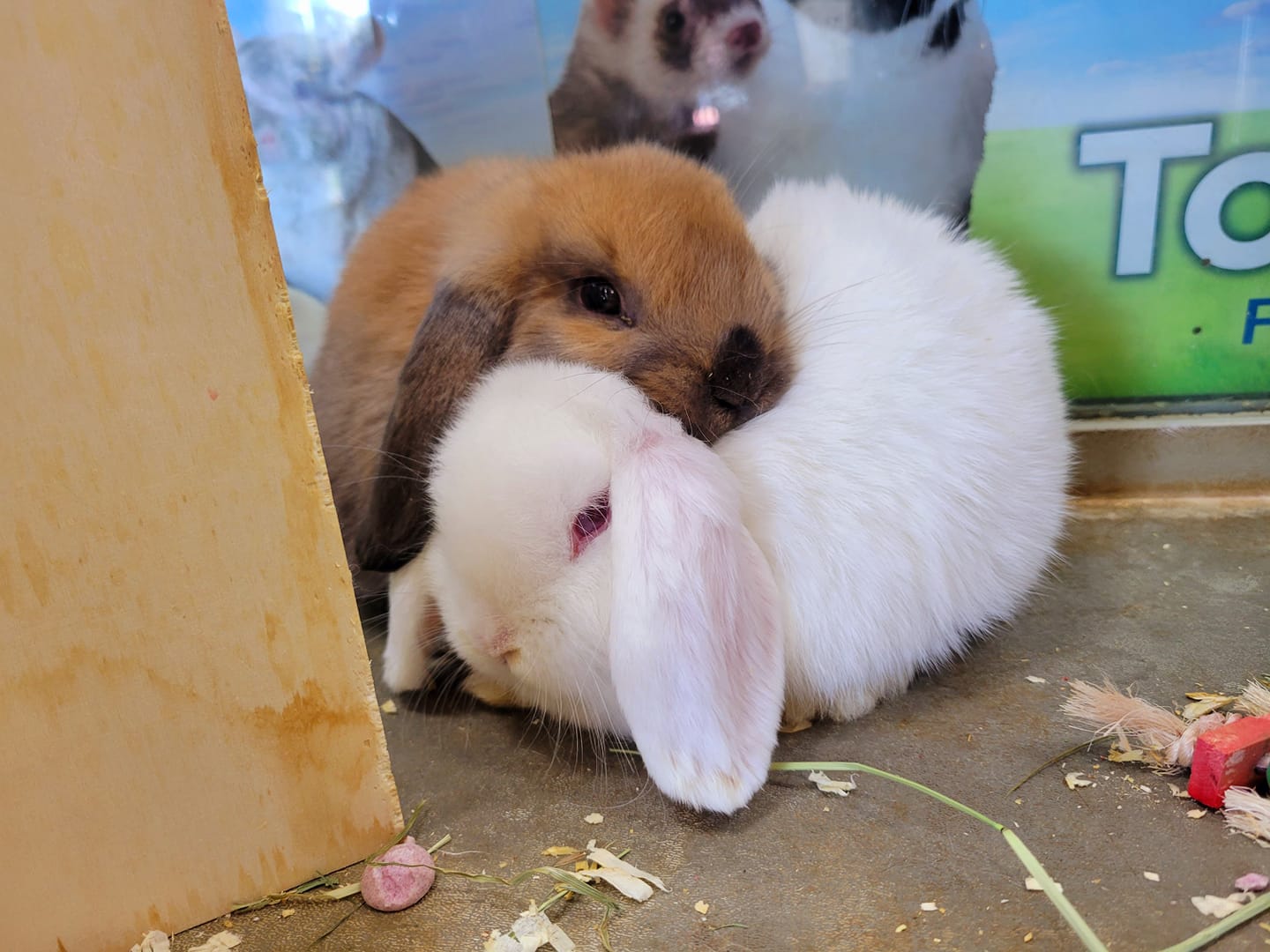
Ready to search? Combine several methods for the widest choice.
Web Search
Type “rabbits for adoption near me” or “small-animal rescue” plus your city. Filter results by customer ratings, photos of housing, and posted health guarantees.
Social-Media Communities
Local pet groups share real-time leads. Post a short request for recommended places; members often tag volunteers who foster rabbits and can arrange meet-ups.
Shelters & Foster Networks

Many shelters house abandoned rabbits in quiet rooms separate from dogs and cats. Adoption counselors review husbandry basics and schedule vet checks before you take anyone home.
Key Points to Evaluate
Once you have a short list, compare these essentials:
Reputation
Read recent reviews for consistent praise about animal condition and staff honesty. Repeated complaints about sickly pets or pushy sales are red flags.
Welfare Standards

Cages should be roomy, hay plentiful, and enrichment toys present. Ask what food they use and whether a veterinarian examines each rabbit.
Staff Expertise
Employees should discuss hay-to-pellet ratios, safe greens, and signs of illness without hesitation. Clear, confident answers signal proper training.
Breed & Size Options
A range of sizes—from compact Holland lops to larger Flemish giants—lets you match energy level and space constraints. Mixed-breed rescues often boast hardy genetics.
Adoption Perks

Choosing a local rabbit offers advantages beyond convenience.
Budget Friendly
Adoption fees usually cover spay/neuter and initial vaccines, costing far less than breeder prices plus separate vet visits.
Community Impact
Every adoption frees shelter space and resources, allowing volunteers to help the next animal in need.
One-of-a-Kind Companions

Shelter bunnies come in rare coat patterns and endearing personalities you will not find in standard litters; you gain a truly unique housemate.
Conclusion
By checking reputation, living conditions, staff knowledge, and variety, you can confidently choose a source that puts rabbit welfare first. A local adoption not only enriches your life with a delightful pet but also strengthens community efforts to care for animals in need.