


Title: The Significance and Impact of Canine Scientific Names in Modern Biology
Introduction:
The scientific naming of organisms is a cornerstone of biological classification, offering a universal language for identifying and discussing life on Earth. Within this framework, the dog family—Canidae—has received considerable attention, and its formal names serve as keys to unlocking evolutionary stories and ecological roles. This article examines why these labels matter, how they guide research, and the ways they support education and conservation.
1. The Importance of Scientific Naming in Biology
Binomial nomenclature, introduced centuries ago, gives every species a two-part Latin name. This simple device creates a shared vocabulary, allowing experts from different regions and disciplines to exchange findings without misunderstanding.
The value of this system includes:
– Consistency: A single label eliminates the confusion created by regional common names.
– Precision: Researchers can point to exactly one organism among millions.
– Evolutionary insight: Names are grouped into genera and higher ranks, sketching the tree of life and revealing patterns of descent.
2. The Canine Family: Canidae
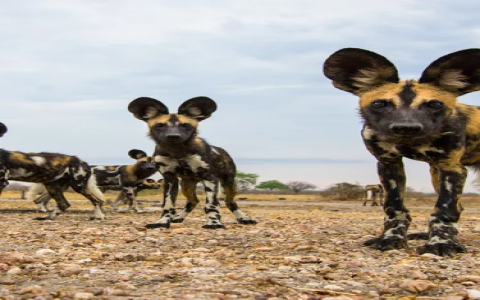
Canidae encompasses an array of long-legged carnivores, from swift foxes to powerful wolves. Each member carries a formal name that hints at its ancestry and traits. For instance, the genus that holds both wolves and domestic dogs is clearly demarcated, letting biologists trace how wild ancestors gave rise to today’s companions.
3. The Impact of Canine Scientific Names in Research
Accurate names act as anchors for diverse studies:
– Evolutionary biology: Sequences, fossils, and morphological data are filed under exact names, enabling large-scale comparisons.
– Behavior and ecology: Field notes tied to specific taxa allow patterns such as pack structure or habitat preference to be compared across continents.
– Conservation planning: Red lists and recovery programs rely on unambiguous names to target scarce resources toward the most threatened populations.
When a rare wolf is listed under its unique epithet, funding, legal protection, and captive breeding efforts can be coordinated worldwide.
4. The Role of Canine Scientific Names in Education
From primary school to graduate seminars, formal names introduce learners to biodiversity. Memorizing a few key examples—say, a fox genus versus a wolf genus—illustrates broader principles of adaptation, biogeography, and classification. Students who master this vocabulary are better prepared for field guides, museum collections, and peer-reviewed literature.
5. Challenges and Future Directions
Even a stable naming system faces ongoing tests:
– Revisions: New genetic evidence sometimes merges or splits groups, shifting labels and requiring educators and curators to update materials.
– Habitat loss: As wild areas shrink, some canids edge toward extinction; each disappearance erases not only a species but the name that symbolizes it.

– Technological refinement: Genomic barcoding and environmental DNA promise finer resolution, potentially revealing cryptic lineages that may earn fresh names.
Conclusion:
Scientific names transform the dog family from a loose collection of familiar animals into a map of evolutionary history and ecological function. By maintaining a clear, adaptable naming system, biologists strengthen research, education, and conservation, ensuring that future generations can continue to explore and protect these remarkable carnivores.


