


Title: A Practical Guide to Buying a Dog Boarding Facility in Your Area
Introduction:
Interest in local dog boarding properties has grown steadily among animal enthusiasts and entrepreneurs. Whether you plan to launch a care service, expand an existing pet-related venture, or simply create a secure playground for dogs, understanding what to look for before signing a purchase agreement is essential. This guide walks you through the main points—location, features, rules, and rewards—so you can evaluate any facility with confidence.
Understanding Dog Boarding Properties
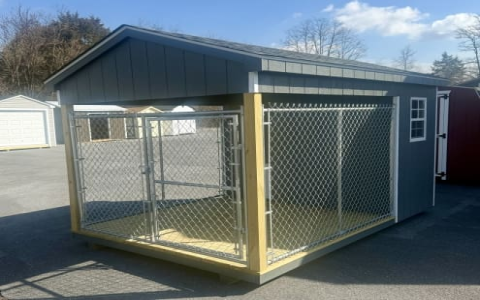
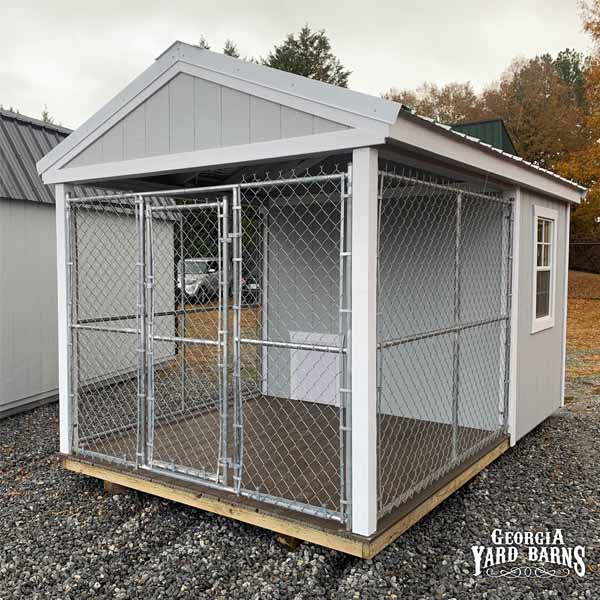
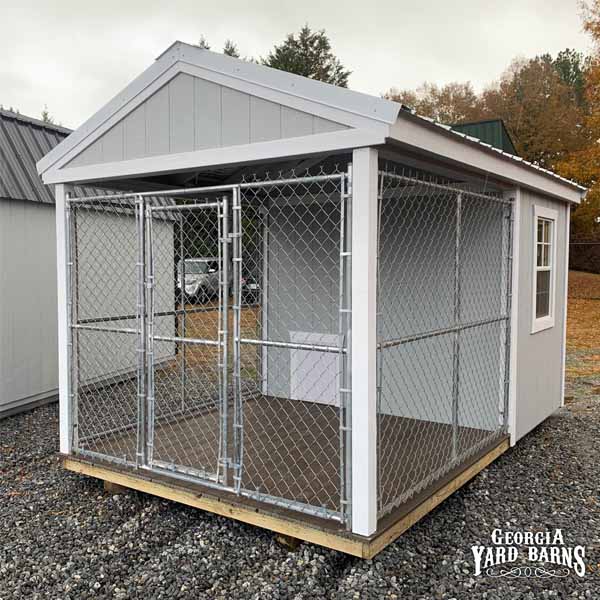
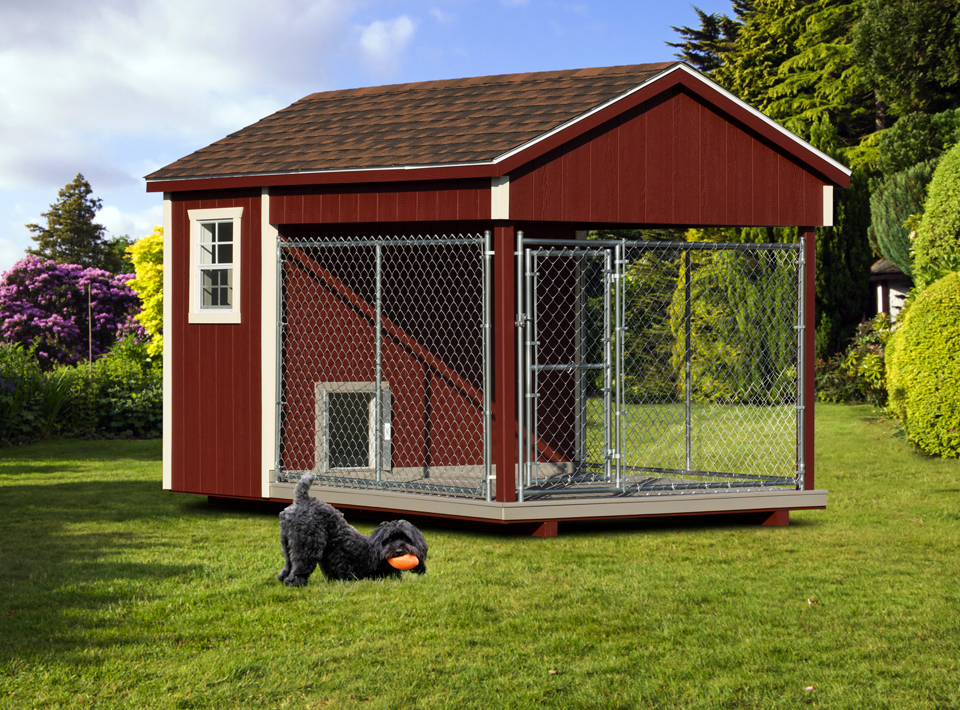
Dog boarding facilities, sometimes called kennels, are purpose-built spaces that house dogs overnight or for extended stays. Sizes range from cozy backyard setups to large commercial compounds. Before you schedule viewings, decide which scale matches your goals and budget, because each type brings different staffing, maintenance, and licensing needs.
Location: The Make-or-Break Factor
Where the kennel sits often determines how well it performs. Keep these points in mind while you compare listings:
1. Client Convenience: Short drives encourage repeat visits. Focus on neighborhoods with plenty of family homes and visible dog traffic such as local parks.
2. Visibility and Access: A site seen from a main road or near shopping plazas attracts walk-in questions and builds brand recognition without extra advertising.
3. Safety Record: Check community boards for past incidents. A quiet, well-lit area with friendly nearby businesses reassures first-time customers.
Amenities: Turning a Pen into a Paradise
Modern guests—both human and canine—expect more than bare cages. Prioritize properties that already include, or can easily add, the following:
1. Exercise Yards: Grassy or artificial-turf play zones with agility items keep dogs active and reduce stress during their stay.
2. Comfortable Suites: Look for solid dividers, proper ventilation, and climate control so every guest stays cool in summer and warm in winter.
3. Health Support: On-call vet partnerships or an adjacent clinic shorten response times if a dog needs quick attention.
Regulations and Compliance
Running a boarding business means meeting codes at every level. Do your homework early to avoid costly surprises:
1. Zoning Rules: Confirm that the parcel allows animal-related commerce. Some cities restrict kennels to certain districts or require minimum distances from homes.
2. Health Standards: Expect inspections on waste removal, drainage, disinfection schedules, and ventilation rates. Written protocols simplify audits.
3. Paperwork: Apply for general business, animal-care, and fire-safety permits before you open the gates. Renewal dates vary, so create a calendar reminder.
Benefits of Running Your Own Facility
Beyond daily wagging tails, a well-managed kennel can deliver:
1. Stable Income: Pet parents spend consistently on quality care, making bookings more predictable than many retail sectors.
2. Personal Fulfillment: If dogs brighten your day, work never feels routine. Each checkout brings satisfied customers and happy pets.
3. Flexible Model: You can add grooming, training, or daycare to boost revenue and stay open to market trends without relocating.
Conclusion:
Buying a dog boarding property can blend passion with profit when you weigh location, amenities, legal duties, and long-term vision. Tour multiple sites, talk to current owners, and consult local authorities to confirm requirements. With careful planning and a focus on animal welfare, your new facility can become a trusted home away from home for dogs—and a rewarding business for you.


