The Art and Science of Choosing Canine Companions: A Comprehensive Overview
Introduction
Selecting a dog—whether for companionship, work, or therapeutic support—blends intuition with informed decision-making. Dogs rank among the most adaptable and perceptive animals, excelling in roles that range from household friend to specialized assistant. This overview explores the key elements of choosing a dog, highlighting practical factors, ethical questions, and the rewards and responsibilities that follow.
The Importance of Thoughtful Selection
Clarifying Your Goals
Before bringing a dog into your life, clarify what you hope to achieve. Common roles include active outdoor partner, calm therapy visitor, alert household guardian, or diligent farm helper. Matching a dog’s natural strengths to your lifestyle prevents frustration for both ends of the leash.
Breed Traits and Energy Levels
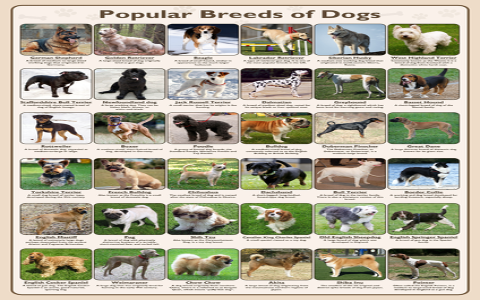
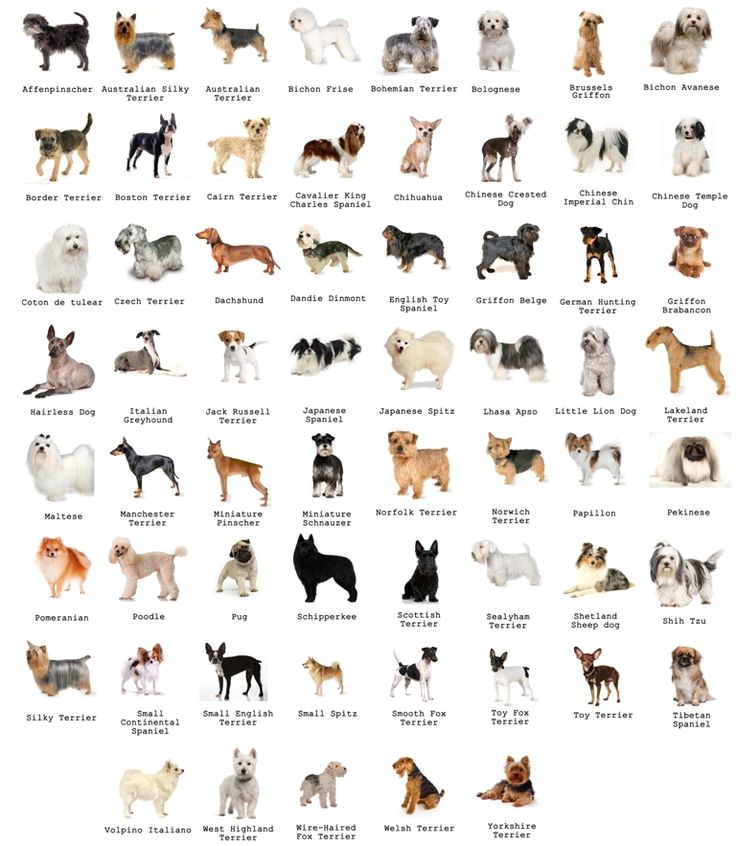
Each breed carries a general blueprint of size, coat, drive, and temperament. High-energy herding dogs thrive when given jobs, while easy-going companions excel in quieter homes. Researching these patterns helps narrow the field to candidates likely to flourish in your environment.
Health Screening
Sound health underpins a long, enjoyable partnership. Reputable sources share records of veterinary checks, genetic tests, and vaccination histories. Learning about common conditions in your chosen type of dog allows early detection and proactive care.
Working with Responsible Sources
Finding Ethical Providers
Look for caregivers who place animal welfare above volume, welcome questions, and raise puppies in clean, stimulating settings. Personal visits, references from trusted veterinarians, and transparent policies offer insight into their practices.
Matching Process
Good providers guide you toward individuals whose personalities suit your experience level, schedule, and living situation. Expect conversations about daily routines, exercise plans, and long-term commitment to ensure a lasting fit.
Ethical Perspectives
Welfare-First Breeding
Ethical programs limit mating frequency, provide spacious housing, and retire breeding animals into loving homes. They also invest in enrichment, socialization, and lifetime rehoming policies if circumstances change.
Broader Impact
Consider the wider ripple effect of your choice: supporting sources that prioritize dignity and care helps shift industry standards toward compassion and sustainability.
Rewards of a Well-Matched Dog
Emotional Bond
A dog’s steady presence can ease loneliness, encourage routine, and spark joy through simple daily rituals such as walks or shared quiet time.
Practical Assistance
Task-trained dogs open doors—literally and figuratively—for people navigating mobility, sensory, or medical challenges, fostering independence and confidence.
Ongoing Responsibilities
Training and Socialization
Even adult dogs benefit from gentle, consistent guidance. Positive-reinforcement classes, varied environments, and gradual exposure to new experiences build trust and good manners.

Budgeting for Care
Plan for food, routine vet visits, emergency savings, enrichment toys, and possible professional training. A clear financial outline prevents surprises and keeps care standards high throughout the dog’s life.
Conclusion
Choosing a dog is less a single transaction than the start of a shared journey. By balancing honest self-assessment, careful research, and a commitment to humane standards, you lay the groundwork for a partnership that enriches both species for years to come.
Future Directions
Continued study of canine behavior, genetics, and welfare will refine how we match dogs to homes. Public education campaigns and open conversations about realistic expectations can further reduce mismatches and strengthen the human-canine bond across communities.
In closing, thoughtful selection—guided by purpose, compassion, and knowledge—turns the simple act of welcoming a dog into an enduring, mutually rewarding friendship.