


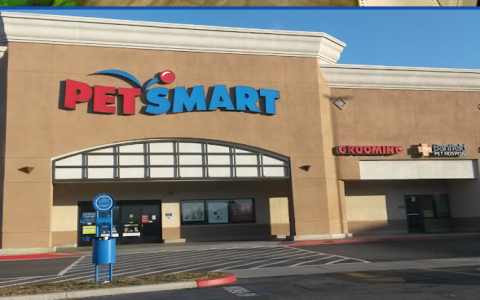
Title: How a Neighborhood Pet Store Shapes Community Life
Introduction
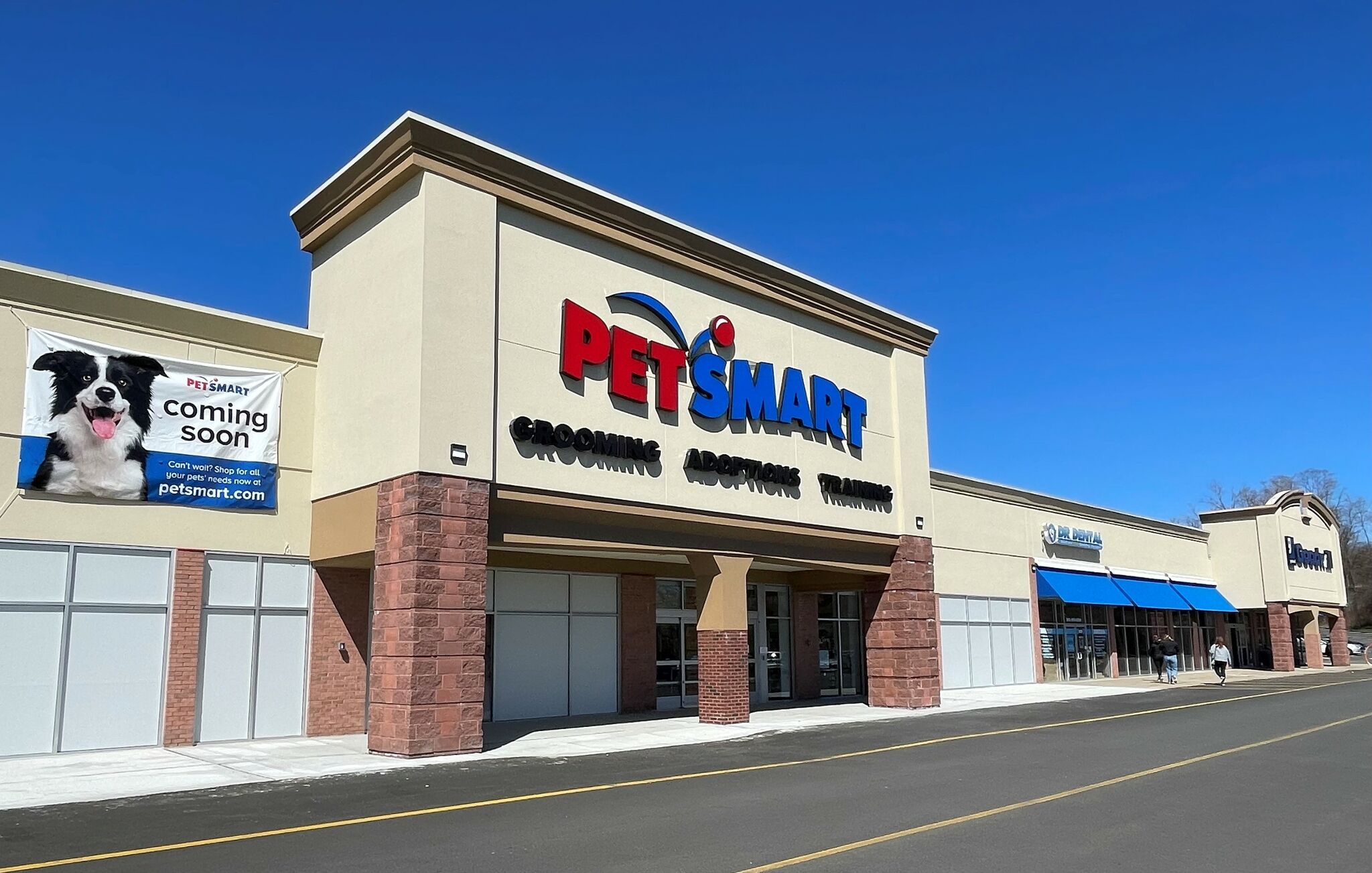
A well-known pet-supply retailer has quietly woven itself into the fabric of everyday life, offering food, toys, grooming, and advice under one roof. This piece looks at how that single store influences the area around it—economically, socially, and environmentally—while quietly raising the day-to-day well-being of people and their animal companions.
Economic Impact
The store is a steady source of local jobs, from cashiers to groomers to stockroom staff. Because these positions rarely require relocation, wages stay within the neighborhood, supporting nearby cafés, daycares, and gas stations. Each paycheck spent close to home creates a small ripple that keeps other storefronts humming.
Sales-tax revenue flows back to the city, helping pay for streetlights, park maintenance, and after-school programs. In this way, every bag of kibble or squeaky toy doubles as a tiny investment in shared public goods.
Social Impact
Aisles become informal meeting grounds. Shoppers swap training tips, compare leash brands, and sometimes leave with play-date numbers scribbled on receipts. Over time, these micro-conversations build a loose network of neighbors who recognize one another at the dog park or the vet’s office.
Weekend adoption events, puppy-training workshops, and low-cost vaccine clinics turn the parking lot into a community square. People who might never speak on the sidewalk find themselves cheering as a rescue cat meets its new family, forging brief but genuine emotional ties.
Environmental Impact
Recycling bins for plastic food bags sit beside the exit, and signage encourages customers to switch to compostable waste bags. Shelters are invited to set up adoption tables instead of selling commercially bred animals, nudging shoppers toward a model that eases shelter overcrowding.
Staff hand out leaflets on proper disposal of flea medications and aquarium water, small gestures that, multiplied across thousands of customers, keep pollutants out of storm drains and local waterways.
Comparative Analysis
While independent shops offer boutique treats and big-box competitors promise bulk discounts, this particular store balances breadth with approachability. Shelves carry both budget kibble and premium freeze-dried options, and price-match signs calm wary wallets.
Its mobile app lets busy owners order chlorine-free litter at midnight and pick it up curbside the next morning, blending digital convenience with the immediacy of a neighborhood stop.
Conclusion
Whether measured in paychecks, new friendships, or cleaner sidewalks, the store’s footprint extends well beyond its square footage. It quietly stitches together economic opportunity, social warmth, and environmental awareness into a single, pet-friendly package.
As more households welcome animals into their lives, the store’s role as connector, educator, and steward is likely to grow. Continued focus on sustainable products, inclusive events, and partnerships with rescue groups can deepen that positive loop.
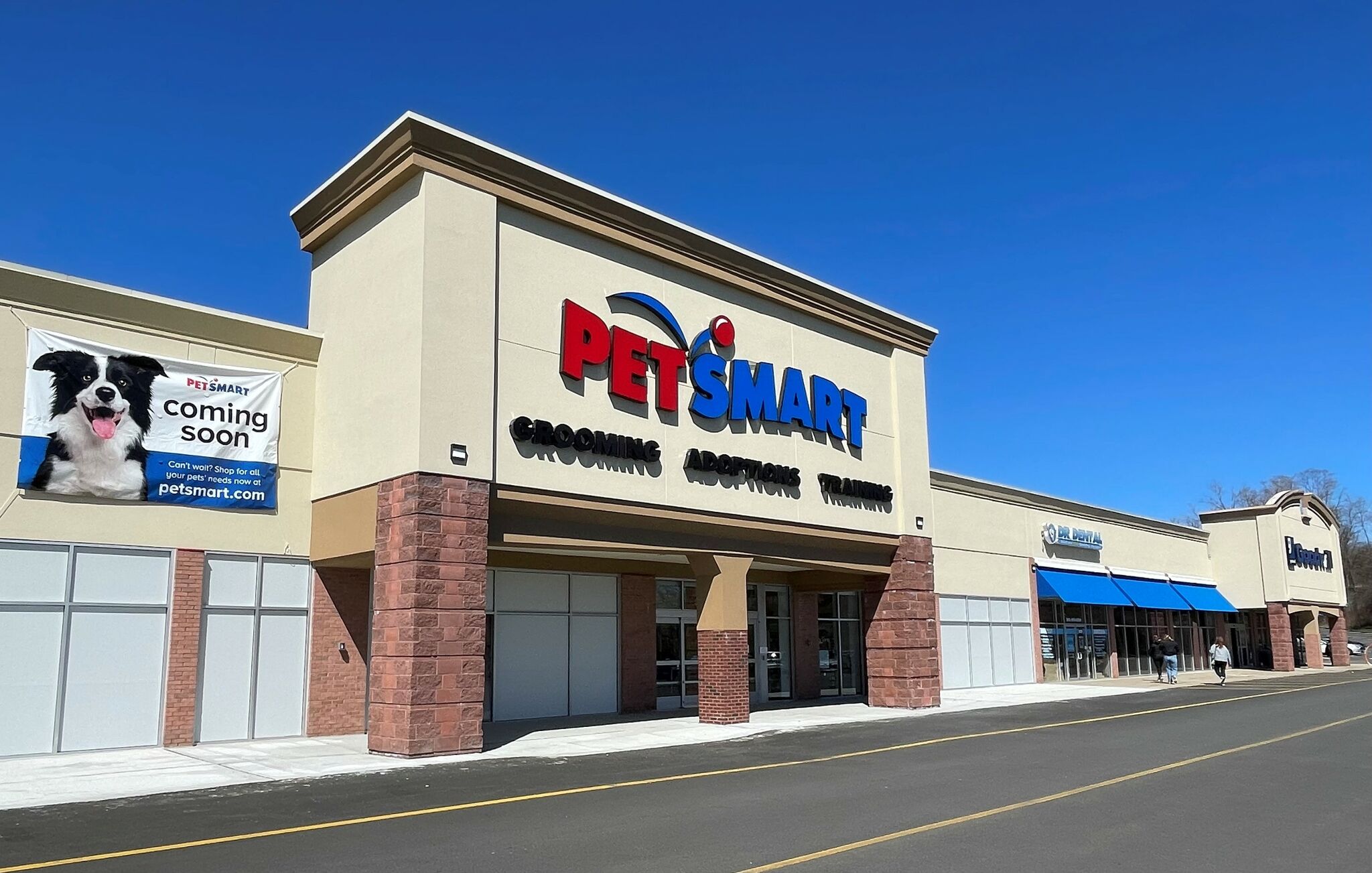
By listening to shifting needs—stocking rabbit harnesses when bunny adoptions spike, or hosting senior-dog yoga when the neighborhood grays—the retailer can remain a trusted landmark, helping two- and four-legged neighbors thrive together for years to come.


