


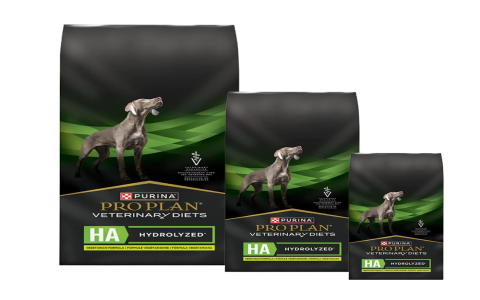
Title: A Gentle Look at Hypoallergenic Puppy Food: Nutrition and Wellness Insights
Introduction:
Bringing a puppy home is full of happy moments, yet it also carries the duty of choosing food that supports steady growth. Among the many diets on store shelves, hypoallergenic puppy formulas stand out for pups with delicate stomachs or itchy skin. This short review explores what makes these gentle recipes helpful, how they may influence long-term health, and why limited-ingredient nutrition is gaining popularity among new owners.
Nutritional Benefits of Hypoallergenic Puppy Food
Specialty hypoallergenic diets are crafted to give growing dogs complete nutrition while steering clear of common irritants. Key advantages include:
1. Easily Digested Protein: Selected novel or hydrolyzed proteins supply amino acids for lean muscle without overloading the immune system.
2. Balanced Fatty Acids: Omega-3 and omega-6 from sources such as fish oil or flaxseed nourish the skin barrier and add shine to the coat.
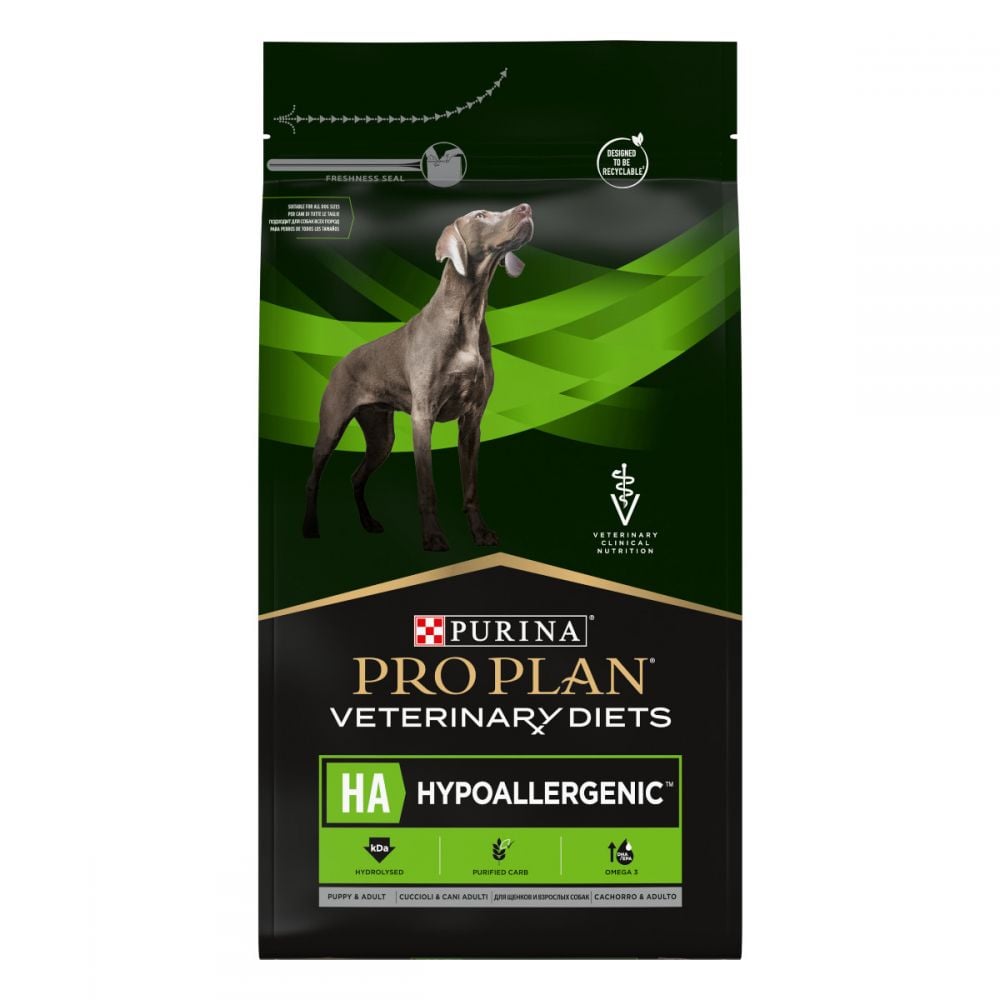
3. Gut-Friendly Fibers and Cultures: Added prebiotic fibers and live probiotics encourage balanced intestinal flora, which can mean firmer stools and less gas.
4. Short Ingredient List: Fewer total components simplifies tracing any reaction and reduces the chance of accidental exposure to triggers.
Health Implications of Hypoallergenic Puppy Food
Switching to a hypoallergenic recipe can offer visible improvements for sensitive pups:
1. Fewer Itchy Episodes: Avoiding everyday allergens such as beef, dairy, or wheat may calm scratching, paw licking, and ear rubbing.
2. Settled Tummies: Gentle fibers and probiotics support regular digestion, cutting down on loose stools or tummy rumbles.
3. Resilient Immunity: Quality protein and micronutrients help the developing immune system respond appropriately to vaccines and everyday challenges.
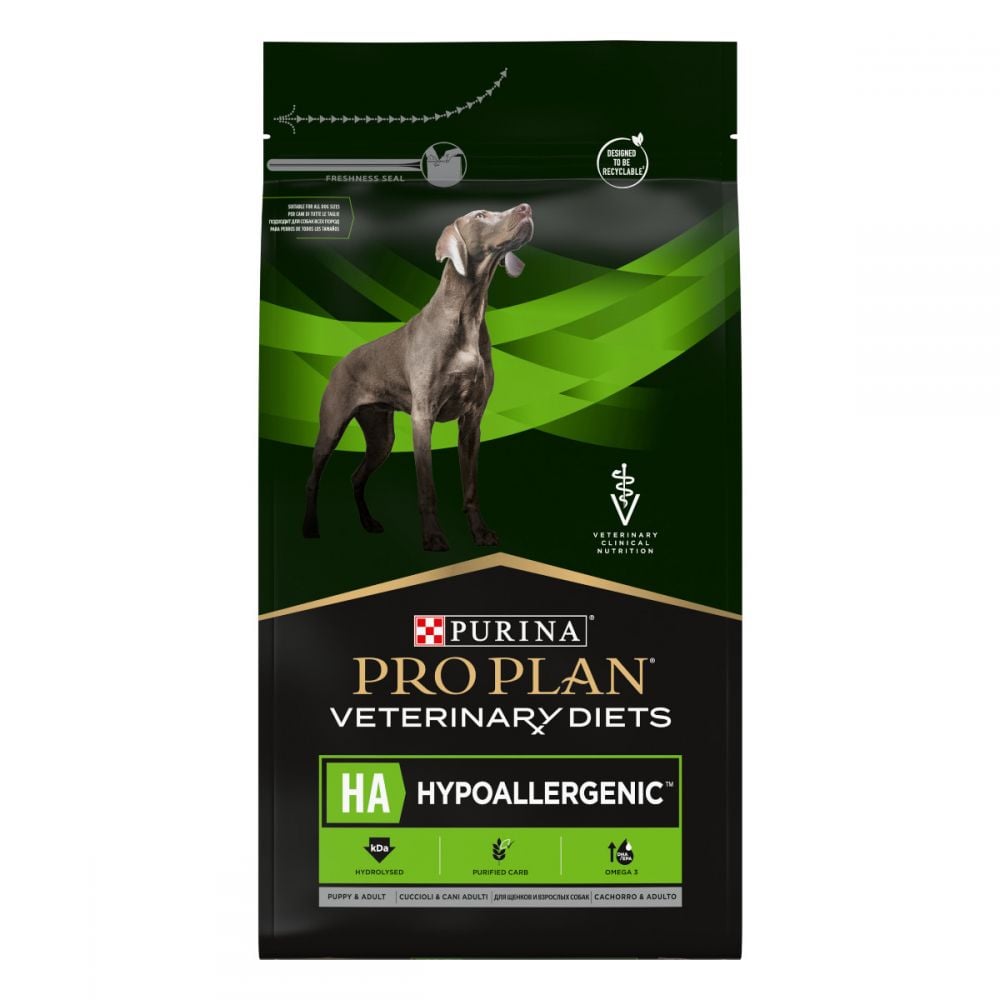
4. Supple Skin and Glossy Fur: Consistent omega nutrition keeps the outer barrier moist and flakes to a minimum.
Scientific Evidence and Research
Peer-reviewed work continues to back limited-antigen diets for the canine population:
1. Controlled trials show that puppies fed novel-protein diets exhibit fewer signs of dietary intolerance compared with those on standard mixed-protein kibble.
2. Field observations note quicker resolution of soft stools when hydrolyzed diets are introduced gradually.
3. Dermatology panels report measurable improvement in coat quality and reduced scratching scores after eight weeks on omega-supplemented hypoallergenic food.
Conclusion
Hypoallergenic puppy food offers a practical path for youngsters that react to everyday ingredients. By emphasizing digestible proteins, skin-supporting fats, gut-friendly additives, and simplified recipes, these diets help owners manage sensitivities while still providing complete nutrition for growth. Choosing the right formula, transitioning slowly, and monitoring body condition remain central steps in raising a comfortable, energetic companion.
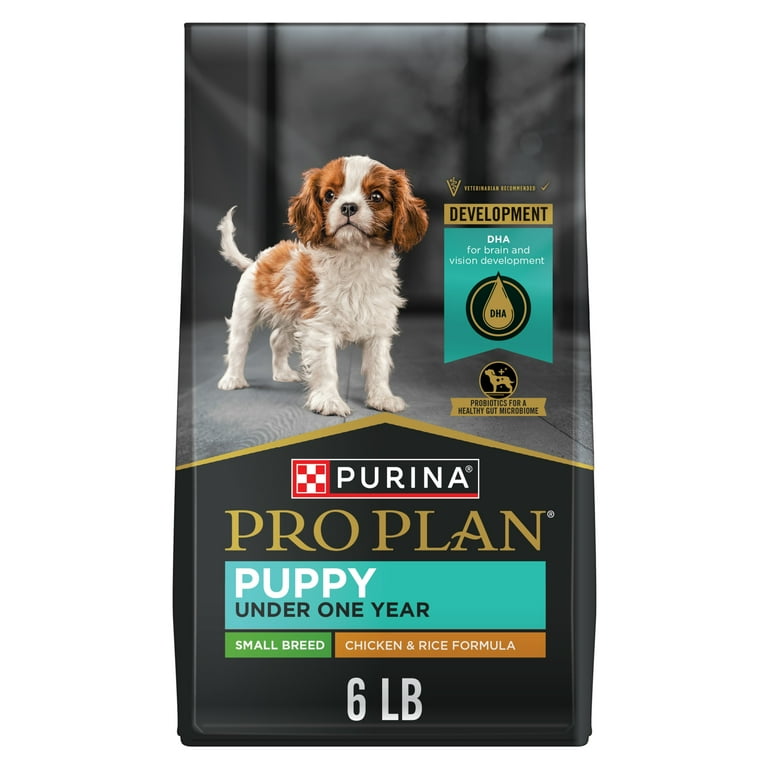
As with any feeding plan, working with a veterinarian ensures the selected diet matches a puppy’s unique needs. Continued studies will refine ingredient choices and confirm long-term benefits, but current evidence already supports hypoallergenic nutrition as a useful tool for smooth development and happy, itch-free days.


