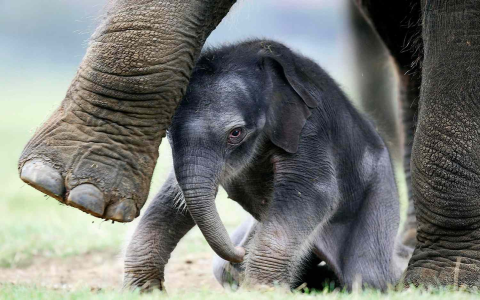
The Enchanting World of Baby Animals: A Gentle Journey
Introduction
Few sights are as universally uplifting as the playful tumble of a young otter or the wobbly first steps of a foal. Across cultures, these small creatures awaken a shared sense of tenderness and curiosity. This brief tour invites you to linger on what makes baby animals so endearing, how they lift our spirits, and why science believes our affection for them runs deeper than simple cuteness.
Characteristics of Baby Animals
Fluffy Fur and Soft Edges
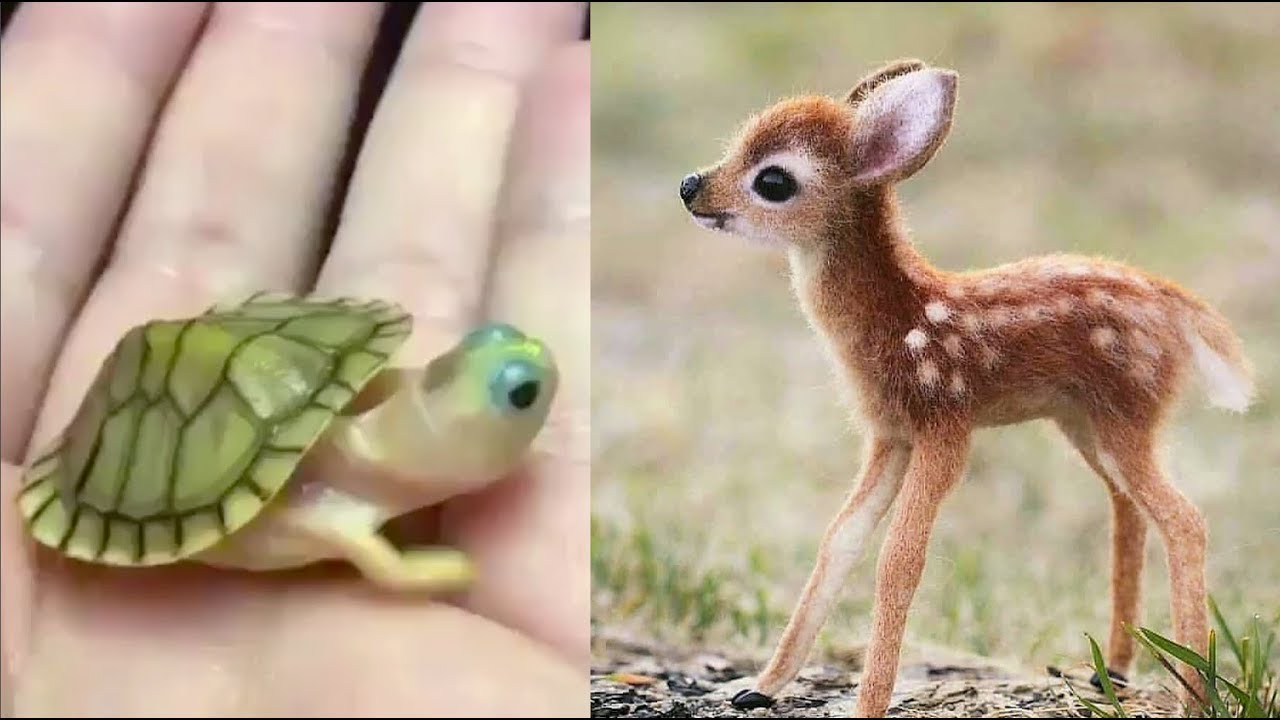
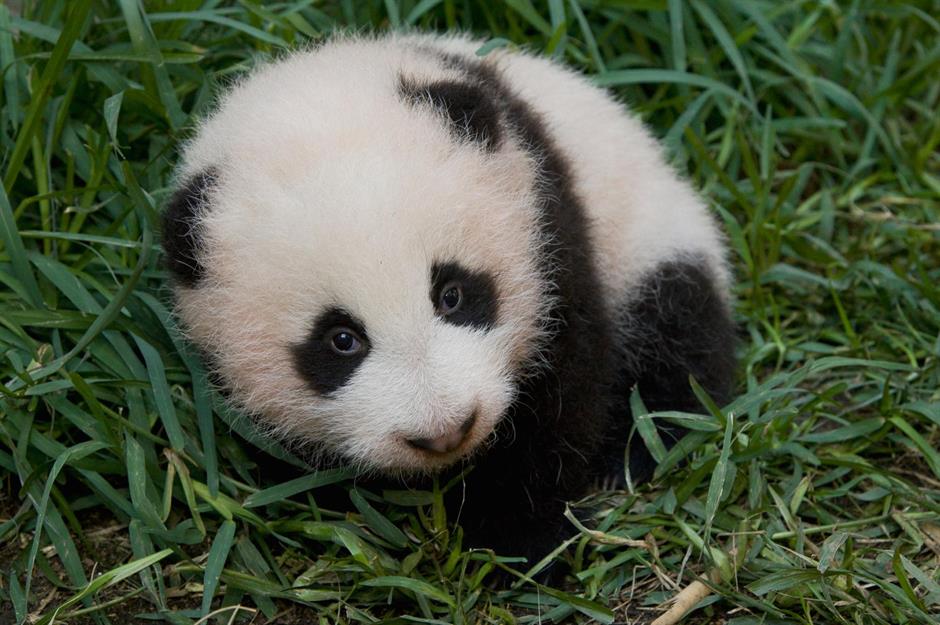
Many infants arrive wrapped in extra-fluffy coats that seem designed for cuddles. Beyond charm, this downy layer regulates temperature and camouflages tiny bodies. Compare a cloud-like lamb to its sleek mother and you see how early fuzz signals youth and vulnerability in one glance.
Playful and Curious Nature
Young animals live in rehearsal mode: every hop, pounce, or head-butt is practice for adult survival. A seal pup chasing its own flipper or a miniature goat leaping off a stump may look comic, yet each stunt builds muscle memory and social know-how needed later in life.
The Emotional Impact of Baby Animals
Instant Smiles
One glimpse of a doe-eyed fawn can soften a hard day. Psychologists note that such images spark rapid facial feedback—our own features mimic a smile before we realize it—spreading a wave of goodwill that crosses language barriers.
Calming Companions
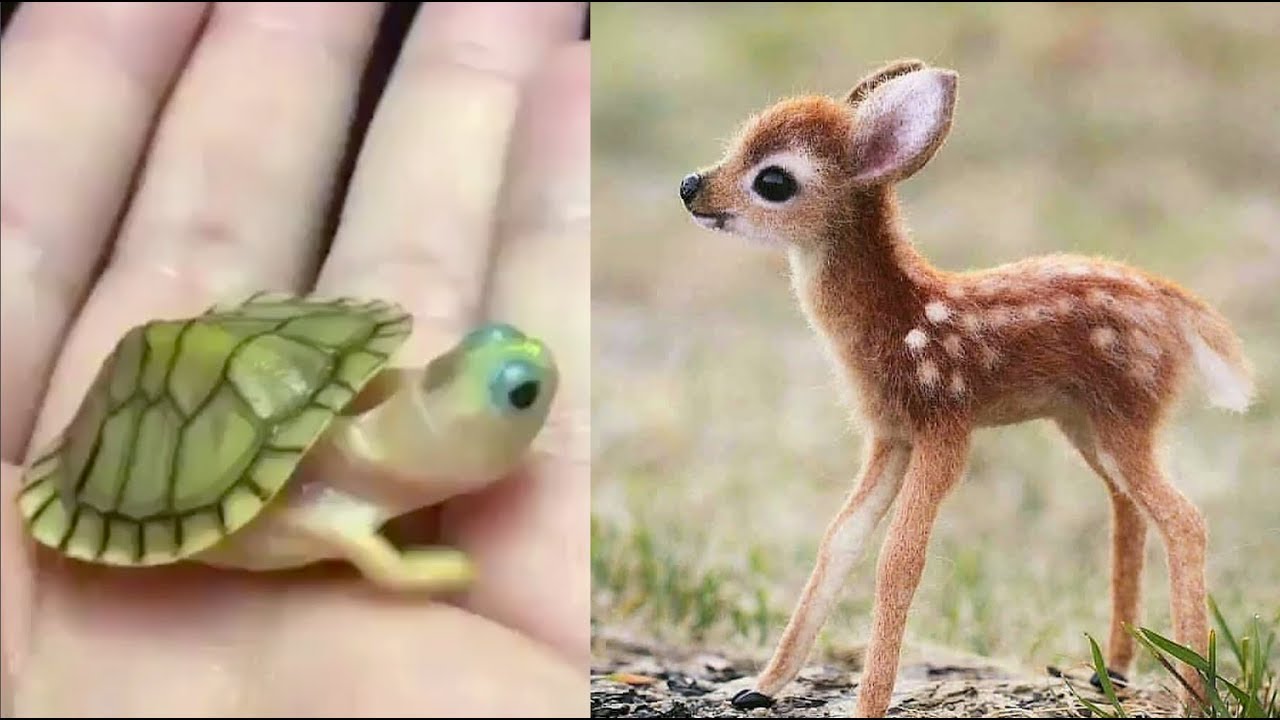
Quiet observation of gentle creatures slows breathing and loosens tension in the shoulders. Controlled experiments repeatedly show lower heart rates after volunteers watch short clips of playful youngsters, hinting at a built-in soothing switch activated by innocence and harmless motion.
Scientific Research on the Appeal of Baby Animals
Evolutionary Perspective
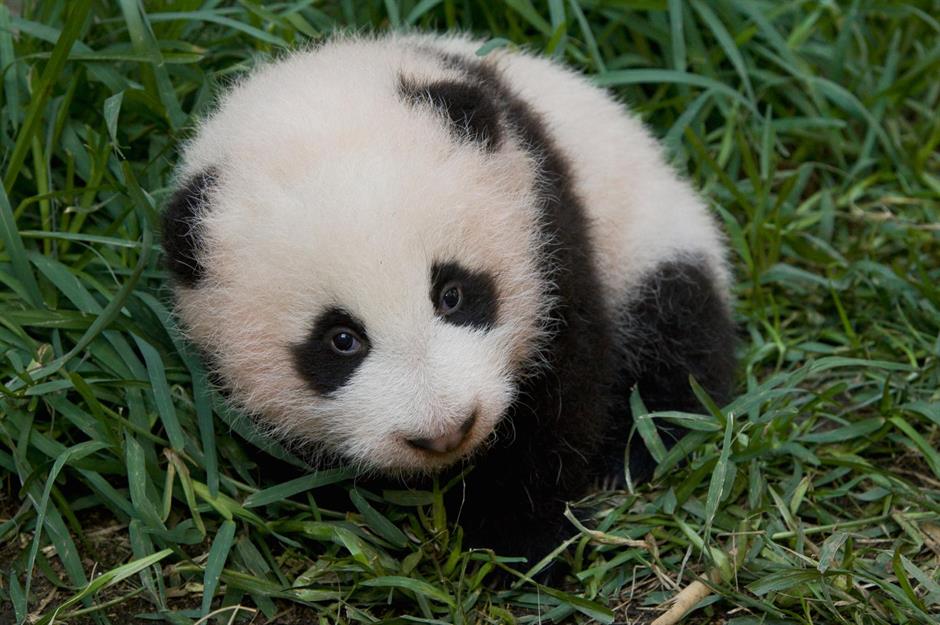
Biologists link our response to “baby schema”: large eyes, high foreheads, and rounded outlines that shout “needs care.” Humans react to these cues in any species, ensuring protection for the young and, by extension, the future of entire ecosystems.
Neuroscientific Evidence
Brain scans reveal that cuteness imagery lights up reward circuits, releasing small bursts of feel-good chemicals. The response is automatic, suggesting evolution hard-wired us to find joy in nurturing forms long before smartphones filled our pockets with kitten videos.
Conclusion
From meadow to living-room screen, baby animals continue to enchant us. Their softness, playfulness, and power to calm weave through our days like bright threads, reminding us that gentleness still matters. As research unfolds, these small ambassadors of joy promise to keep teaching us about care, curiosity, and the simple pleasure of looking at life with wide-eyed wonder.
Recommendations and Future Research
To deepen appreciation and harness these benefits responsibly, future studies might consider:
1. Tracking mood changes in people who regularly view or interact with young animals in ethical, non-intrusive settings.
2. Exploring how classroom exposure to wildlife documentaries featuring juveniles can foster empathy among students.
3. Designing brief, animal-based relaxation breaks for high-stress workplaces, measuring subsequent focus and camaraderie.
By learning from the youngest members of the animal kingdom, we may discover kinder, calmer ways to navigate our own.