
Chihuahua Enthusiasts in the Southwest: An Overview
Introduction
The Chihuahua, tiny in stature but overflowing with character, has won admirers across the globe. Its unmistakable look and lively spirit make it a favorite among toy-breed lovers. This piece takes a closer look at the dedicated people who raise these dogs in the American Southwest, outlining their daily practices, common hurdles, and the positive ripple effect they create within the wider canine community.
The Chihuahua Breed
Before focusing on the breeders, it helps to understand the dog itself. Chihuahuas typically weigh under six pounds, sport an apple-shaped skull, luminous round eyes, and a petite muzzle. Coats may be smooth or long, and colors vary widely. Though pocket-sized, they carry themselves with surprising confidence and curiosity.
The Role of Responsible Breeders
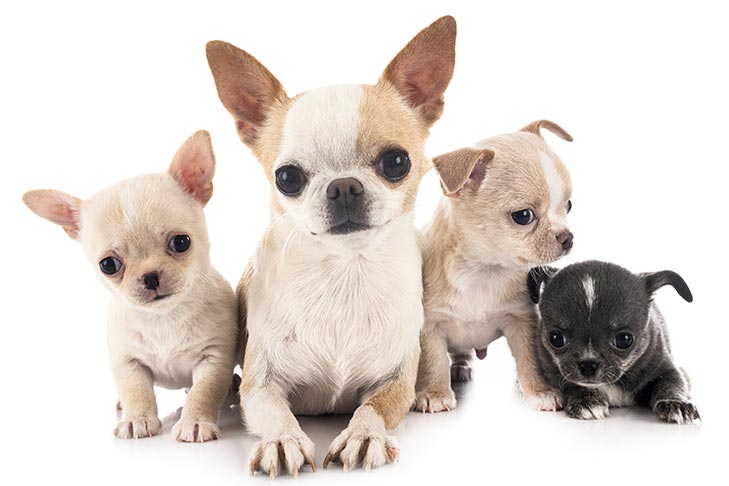
Ethical breeders act as guardians of the breed. Their core tasks include choosing compatible mates, safeguarding health, and placing well-socialized puppies in suitable homes.
Selecting Breeding Pairs
Careful matchmaking centers on temperament, genetic diversity, and freedom from hereditary problems. By pairing individuals that complement one another, breeders improve the odds of healthy, even-tempered offspring.
Ensuring Health and Well-being
Routine vet visits, balanced diets, clean housing, and early socialization form the backbone of good husbandry. These steps keep adults thriving and give puppies a solid start.
Producing High-Quality Chihuahuas
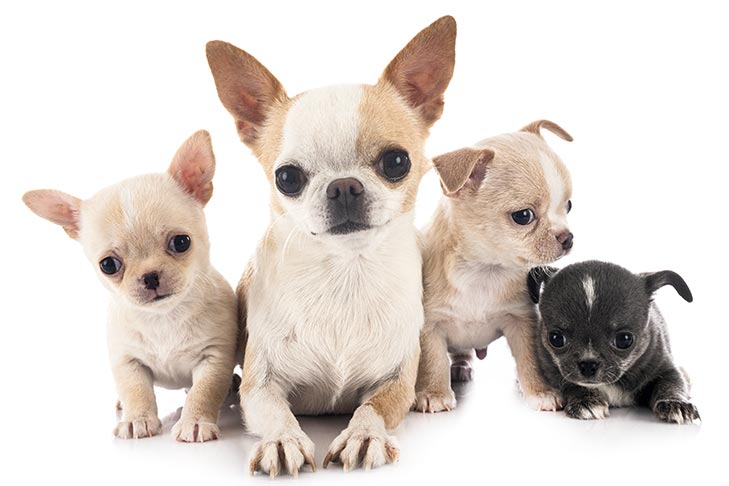
Attention to detail— from neonatal care to gentle exposure to household sights and sounds— produces confident pups that meet breed standards and adapt quickly to new families.
Challenges Faced by Breeders
Raising toy dogs responsibly is rewarding but never effortless. Several obstacles appear again and again.
Genetic Health Issues
Like many purebreds, Chihuahuas can inherit patellar luxation, cardiac murmurs, and dental crowding. Screening adults and tracking pedigrees help reduce these risks.
Ethical Concerns

High demand sometimes fuels mass-production facilities that cut corners. Reputable breeders distance themselves from such operations by following transparent, welfare-first practices.
Market Fluctuations
Popular culture can spike interest overnight and cool just as quickly. Breeders must balance producing enough litters to meet ethical demand without over-breeding.
The Impact on the Canine Community
Conscientious breeders shape the future of the breed in visible ways.
Preserving the Breed

By prioritizing health and temperament, they protect the traits that make Chihuahuas unique while steadily reducing inherited illness.
Promoting Ethical Practices
Through open conversations, social media education, and mentorship, they encourage newcomers to choose adoption or responsible breeders instead of questionable sources.
Enhancing the Community
Many organize playdates, local meet-ups, and online forums where owners share training tips, health updates, and cheerful photos that celebrate life with a Chi.
Conclusion
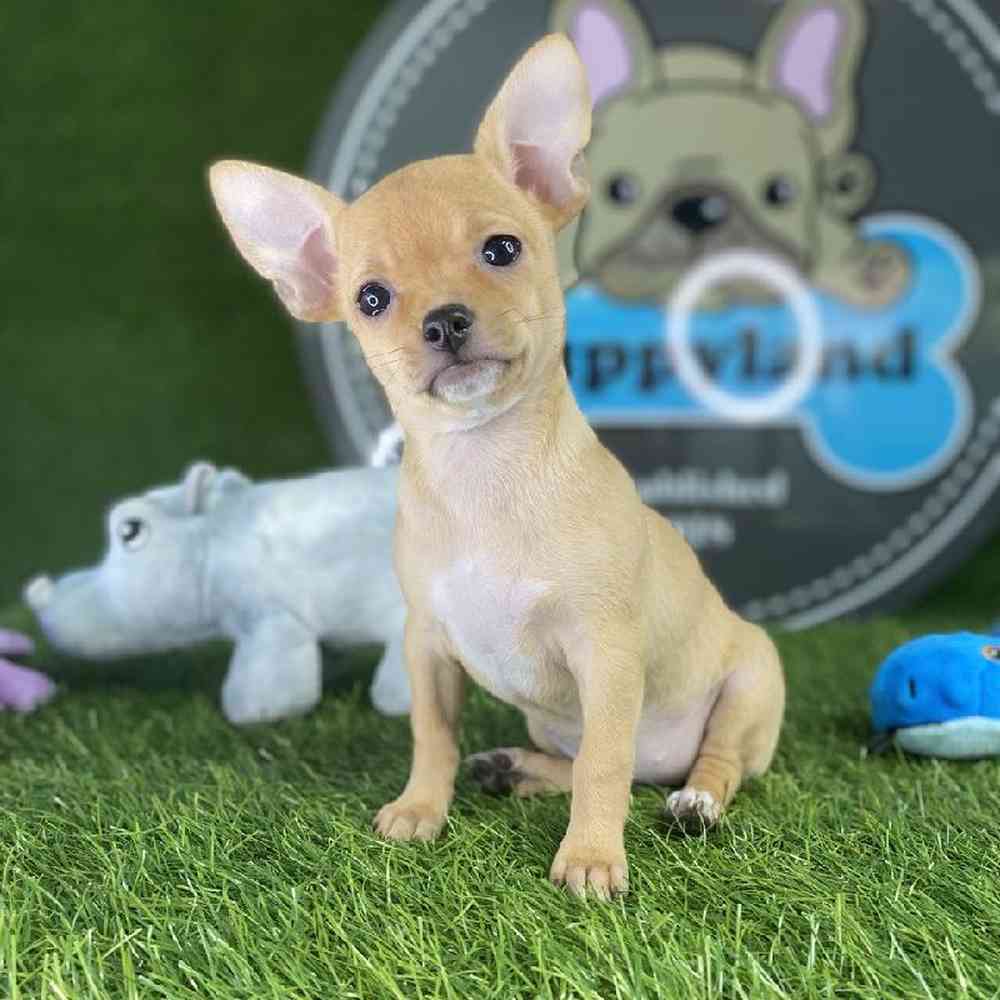
Southwestern fanciers devote countless hours to safeguarding the health, spirit, and longevity of the world’s smallest purebred. Their diligence ensures that future generations can continue to enjoy the sass and sweetness that define the Chihuahua.
Recommendations and Future Research
Moving forward, the community could benefit from:
1. Widespread genetic screening panels made affordable and easy to interpret.
2. Clear welfare guidelines that distinguish responsible homes from high-volume kennels.
3. Continuing-education modules on neonatal care, behavior, and legal requirements.
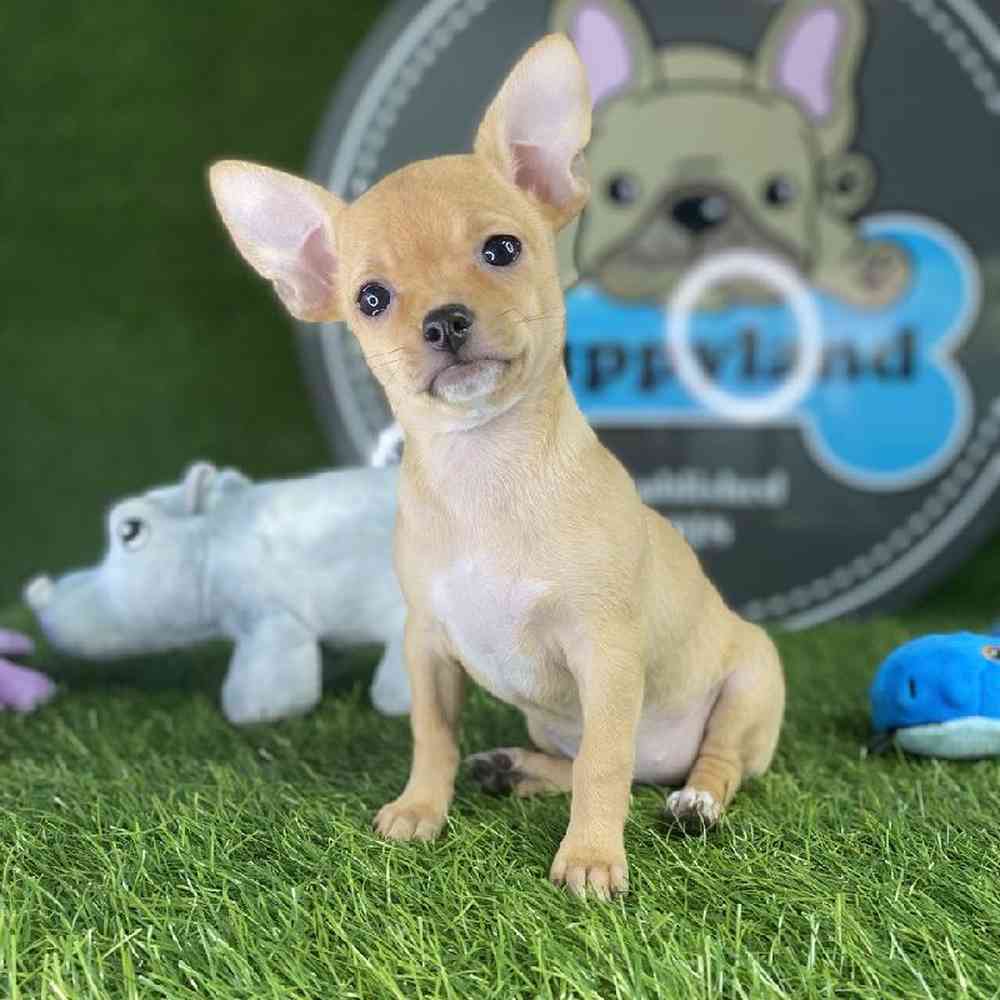
Research worth pursuing includes:
1. Long-term studies on how early environment affects adult behavior in toy breeds.
2. Exploration of nutrition tailored to micro-sized puppies to prevent hypoglycemia.
3. Development of breeding software that flags potential genetic bottlenecks before mating.
By embracing these steps, breeders can keep the tiny but mighty Chihuahua thriving for decades to come.