
Window Perch for Dogs: A Contemporary Design Idea for Pet-Friendly Homes
Introduction
Pet-centered living is now a mainstream priority, and architects as well as residents are looking for thoughtful ways to keep animals content without sacrificing style. A window-level perch created especially for dogs has emerged as one of the simplest yet most effective additions, giving pups a front-row seat to outdoor activity while complementing modern interiors. This overview examines why the feature matters, how it helps both pets and people, and what to keep in mind when adding one to a home.
The Idea Behind a Dog Window Perch
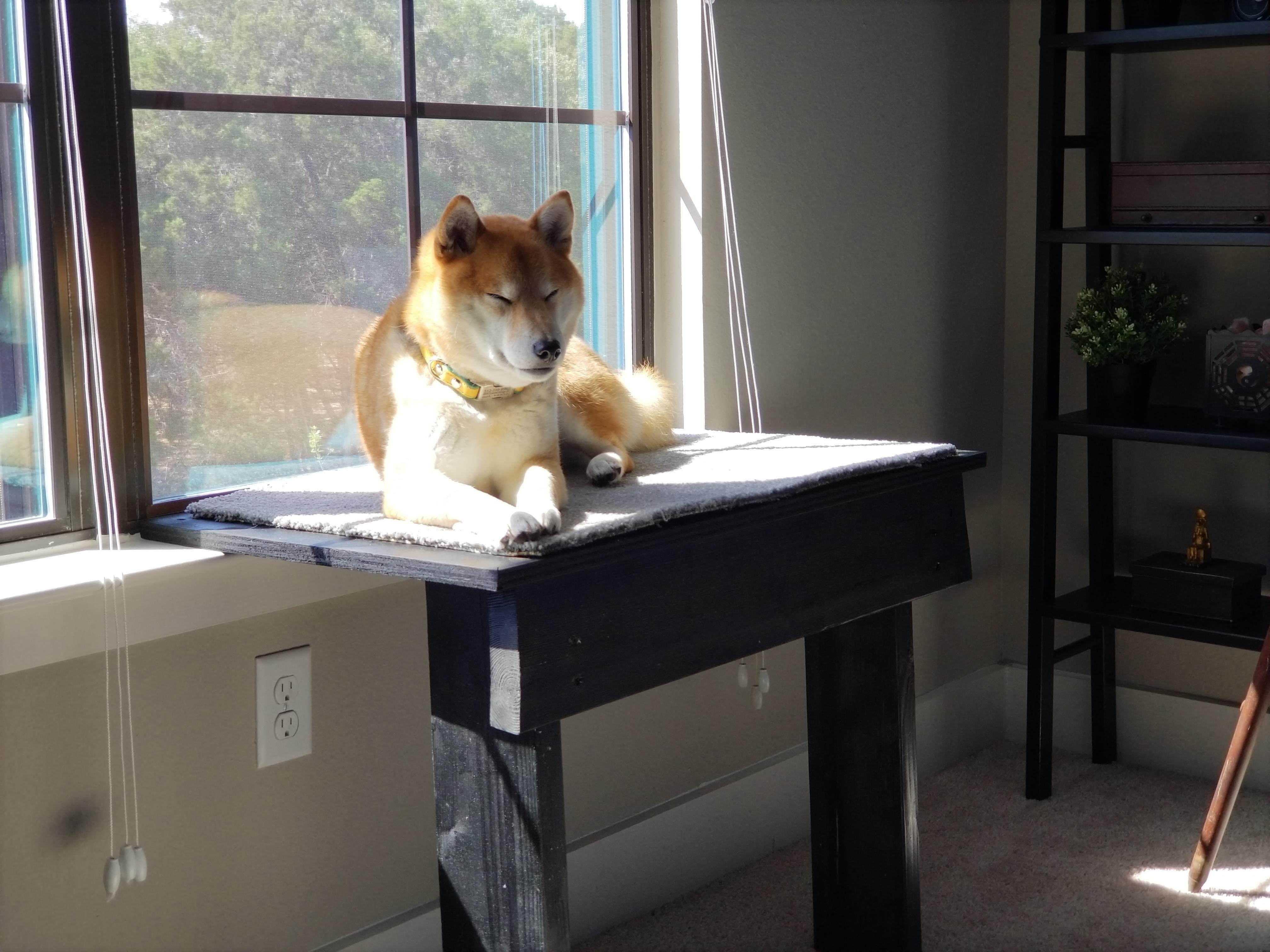
Essentially, the perch is a stable, elevated shelf positioned beneath a window so that dogs of various sizes can sit or lie down and watch the world go by. Built from robust, easy-clean materials and sized to match the opening, it turns an ordinary wall into an engaging lookout that keeps animals safely indoors. Because the structure can be painted or clad to coordinate with trim, it blends unobtrusively with almost any décor scheme.
Advantages of a Window Perch for Dogs

Enhanced Daily Enrichment
Mental stimulation is as important as physical exercise. A perch offers ever-changing sights, sounds and scents, helping to prevent boredom and the restless behaviors that often follow. Even when the household is busy, a dog can settle on the platform and remain entertained by passing pedestrians, birds or shifting weather.
Subtle Style Upgrade
Rather than appearing utilitarian, a well-proportioned perch can read like a minimalist shelf or window seat. Whether the setting is an urban loft or a suburban bungalow, the clean lines add architectural interest while signaling that the home was planned with every family member in mind.
Shared Moments
Owners frequently find themselves standing beside the perch to see what has caught their pet’s attention. These spontaneous gatherings encourage gentle interaction—an ear scratch, a spoken greeting, a shared glance outside—strengthening the human-animal bond in quiet, everyday ways.
Key Design Points
Safety First
The unit must be anchored to wall studs or the window frame with appropriate hardware so it remains motionless even when an excited dog jumps aboard. Rounded corners, non-toxic finishes and a front lip or rail reduce the chance of slips or chewing damage.
Comfort Details
Length and depth should allow a dog to turn around and stretch out. Many owners add a removable cushion or a thin memory-foam mat covered in washable, claw-resistant fabric. Slightly sloping the top a few degrees toward the window can also encourage pets to settle facing outward.
Easy Access
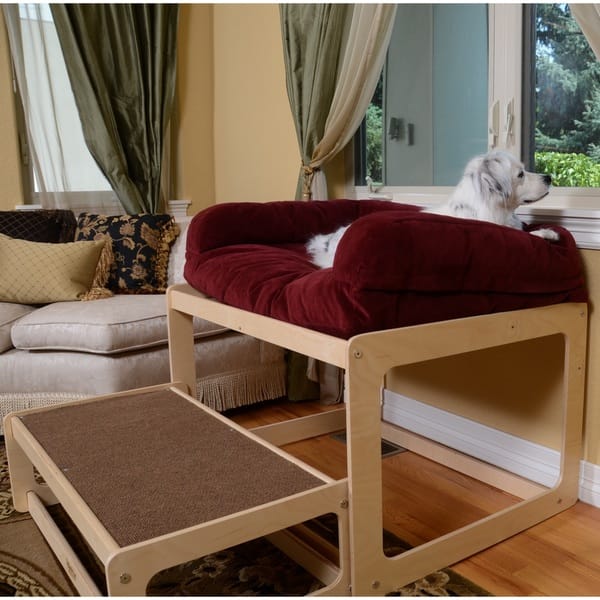
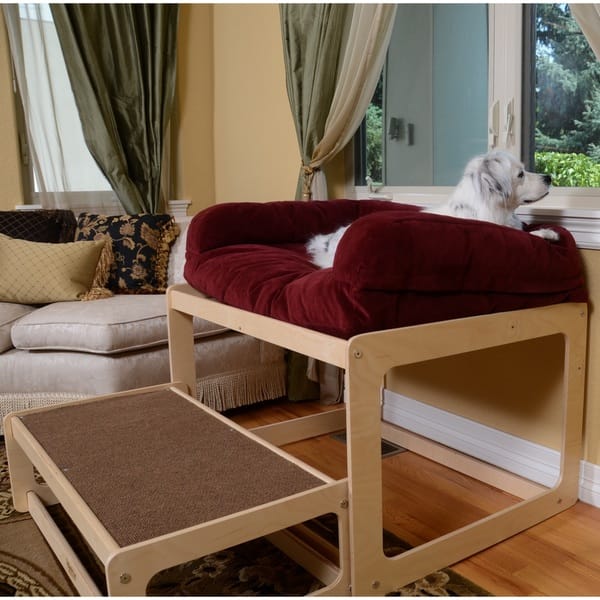
Small breeds and seniors benefit from a low staircase or ramp with shallow rises and a grippy surface. Folding designs keep foot traffic clear when the perch is not in use, while built-in toy pockets or treat drawers can make the approach even more inviting.
Observations from Everyday Homes
Across neighborhoods, early adopters report calmer, more confident pets. One resident noticed her terrier-mix napped for longer stretches and barked less at delivery workers after a perch was installed. Another family filmed their senior beagle using the lookout as a sunny reading nook, contentedly watching children walk to school each morning. While every animal is different, the consistent theme is reduced restlessness and a quicker transition to relaxation when the day’s stimulation is provided by the window rather than by pacing the hallway.
Conclusion
A thoughtfully placed window perch satisfies a dog’s curiosity, adds a refined architectural accent and invites quiet companionship. As pet-inclusive design continues to influence residential planning, this modest feature is likely to appear in more living rooms, kitchens and even home offices, proving that comfort for animals and elegance for humans can share the same frame of glass.
Looking Ahead
Expect to see modular perch systems that adjust to window height, eco-friendly materials that resist scratches and weather, and optional attachments such as treat-release toys or gentle warming pads. Planners of apartments, cafés and workplaces may also adapt the concept, giving visiting or resident dogs a safe vantage point and reinforcing the broader cultural shift toward truly inclusive environments.