The Impact of a Midwestern Online Adoption Portal on the Pet Industry
Introduction
The pet industry has undergone a quiet revolution as digital platforms replace traditional kennels and newspaper ads. One regional website, launched in the upper Midwest, has become a case study in how technology can reshape pet adoption. This article examines the portal’s influence on adoption habits, the obstacles it must navigate, and the trends it may inspire nationwide.
The Rise of the Portal
The site began as a simple listings page run by a small team of veterinarians and shelter volunteers. Their goal was to move photos of available animals off corkboards and onto smartphones, letting prospective guardians swipe through profiles instead of driving from shelter to shelter. Within two years, the page grew into a full-service platform covering the entire state, and its traffic now rivals that of national commercial directories.
Benefits of the Portal

Increased Accessibility
Rural families once faced long trips to meet a single litter; today they can filter by size, energy level, and compatibility with children before ever leaving the farm. Public-transport users and people with limited mobility gain the same convenience, shrinking the distance between homeless pets and suitable homes.
Enhanced Transparency
Each profile contains vaccination dates, spay/neuter status, and behavioral notes recorded by independent vets. Photos are time-stamped to prove the animal is currently in foster care, reducing the risk of outdated or misleading posts.
Streamlined Adoption Process
An online questionnaire replaces paper stacks, while calendar integration lets applicants book meet-and-greets at shelters or neutral adoption events. Automated reminders ensure that neither party forgets the appointment, cutting the average wait from weeks to days.
Challenges Faced by the Portal
Ethical Concerns
Any popular marketplace risks attracting high-volume breeders focused on profit rather than welfare. To counter this, the portal requires government-issued kennel licenses, conducts random video inspections, and removes listings at the first sign of overcrowding or inadequate medical care.
Legal Issues
State lines complicate matters: transport rules, quarantine periods, and sales-tax obligations differ across jurisdictions. The platform hired a compliance officer who maintains a living spreadsheet of statutes, updating filters so users only see pets they can legally adopt in their zip code.
The Impact on the Pet Industry
Increased Adoption Rates
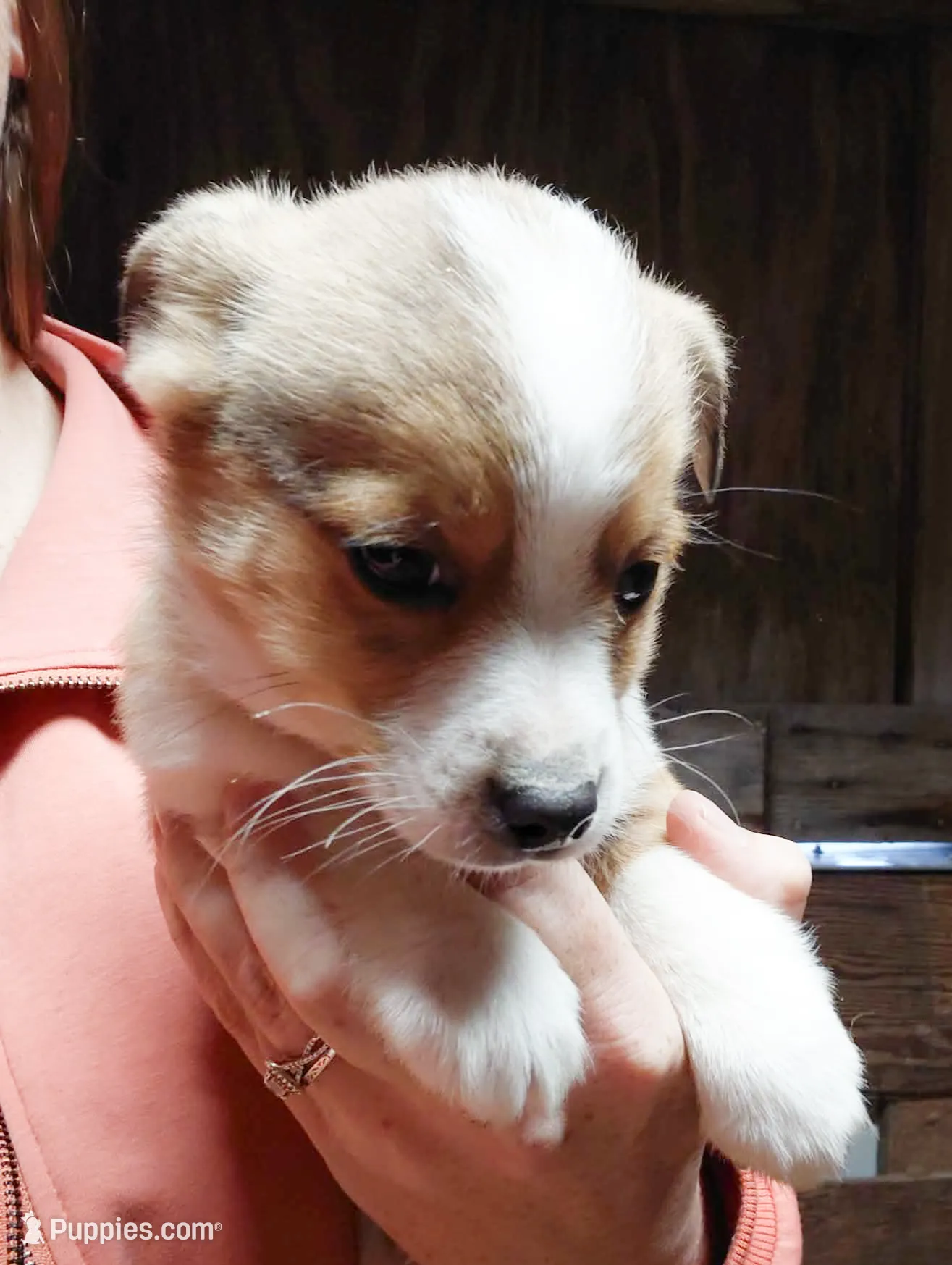
Shelters that once euthanized for space now report empty kennels on many weekends. Local humane societies attribute a double-digit rise in live releases to the steady flow of pre-approved applicants generated by the site.
Shift in Consumer Behavior
Search trends show a growing preference for the term “adopt” over “buy,” and neighborhood groomers notice more mixed-breed clients. The stigma that rescue animals are “damaged” is fading as success stories populate social media feeds.
Increased Competition
Traditional pet stores have responded by hosting satellite adoption drives, while national websites have added video-call features to keep pace. The resulting improvement in customer service benefits everyone—especially the animals.
Future Prospects
Expansion to Other Regions
Talks are underway with neighboring states that share similar demographics and transport corridors. A phased rollout could begin as soon as unified health-certificate standards are adopted across state veterinary boards.
Integration with Other Services
Partnerships with microchip registries, training apps, and pet-insurance comparison tools are being beta-tested. The vision is a single dashboard where a new guardian can insure, train, and schedule wellness visits in one sitting.
Technological Advancements

Developers are experimenting with augmented-reality filters that let users see how a specific dog might look in their living room, reducing mismatches born of wishful thinking. Meanwhile, AI-driven chatbots answer midnight questions about housetraining, easing the transition for first-time owners.
Conclusion
The portal has proven that thoughtful design and strict oversight can move thousands of animals from uncertainty to security without compromising welfare. By nudging consumers toward adoption and pushing the industry toward transparency, it has set a benchmark that emerging platforms across the country are eager to replicate. As the model matures, its greatest legacy may be a culture in which adopting a companion animal is the default, not the exception.