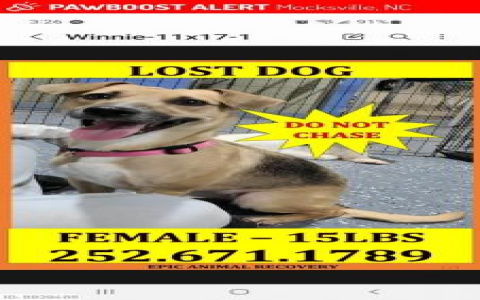
Lost Dogs in Our Neighborhoods: A Practical Overview
Introduction
Few things worry a community more than a missing dog. Pets are cherished family members, and their sudden absence can leave households feeling helpless. This overview explores why dogs wander off, how neighborhoods feel the impact, and the simple steps that can bring more of them home safely.
Common Reasons Dogs Go Missing
1. Missing ID
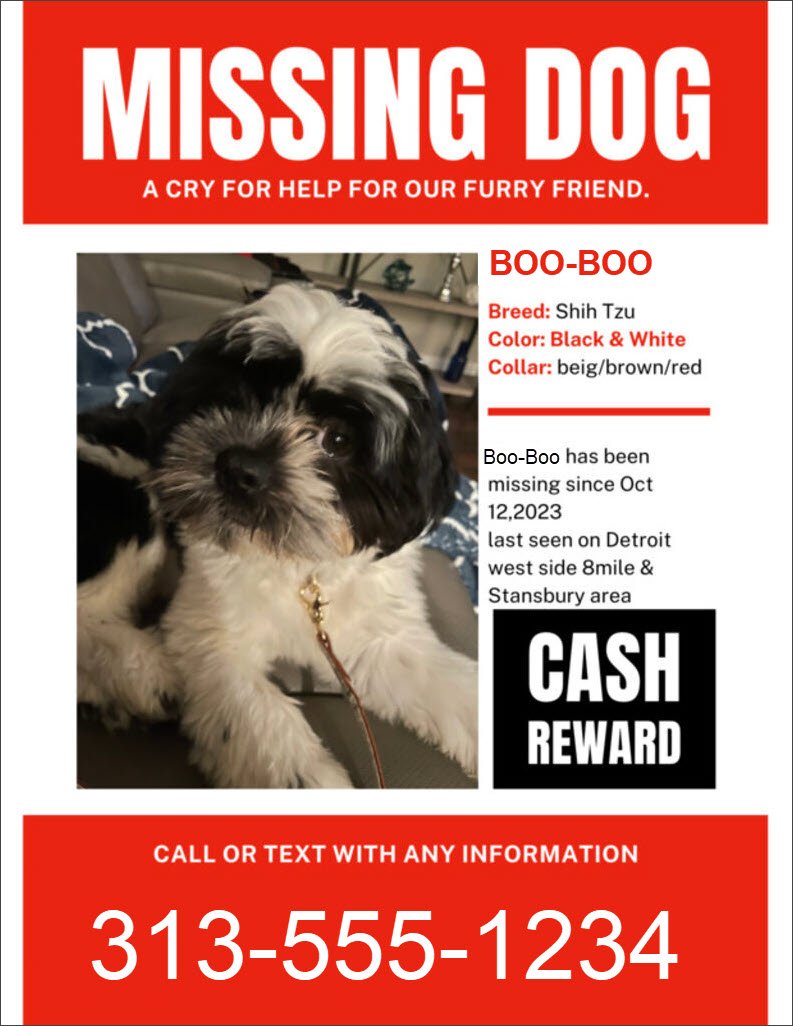
Many dogs leave the house without a microchip or a sturdy tag. When they stray, there is no quick way for a neighbor, vet, or shelter to trace them back to the family waiting at the other end of the leash.
2. Everyday Mistakes
An open gate, a loose clasp on a leash, or a moment of distraction during a walk can give a curious dog the chance to bolt. Once outside familiar territory, even a well-trained pet can lose its bearings.
3. Surroundings That Confuse
Thick woods, loud traffic, or construction noise can startle a dog and send it running farther than intended. In unfamiliar areas, scents and landmarks that normally guide it home disappear.
4. Limited Awareness
Some owners still believe a friendly dog will simply find its own way back. Without reminders about tags, chips, and recent photos, preventable disappearances keep happening.
How Neighborhoods Feel the Loss
1. Emotional Strain
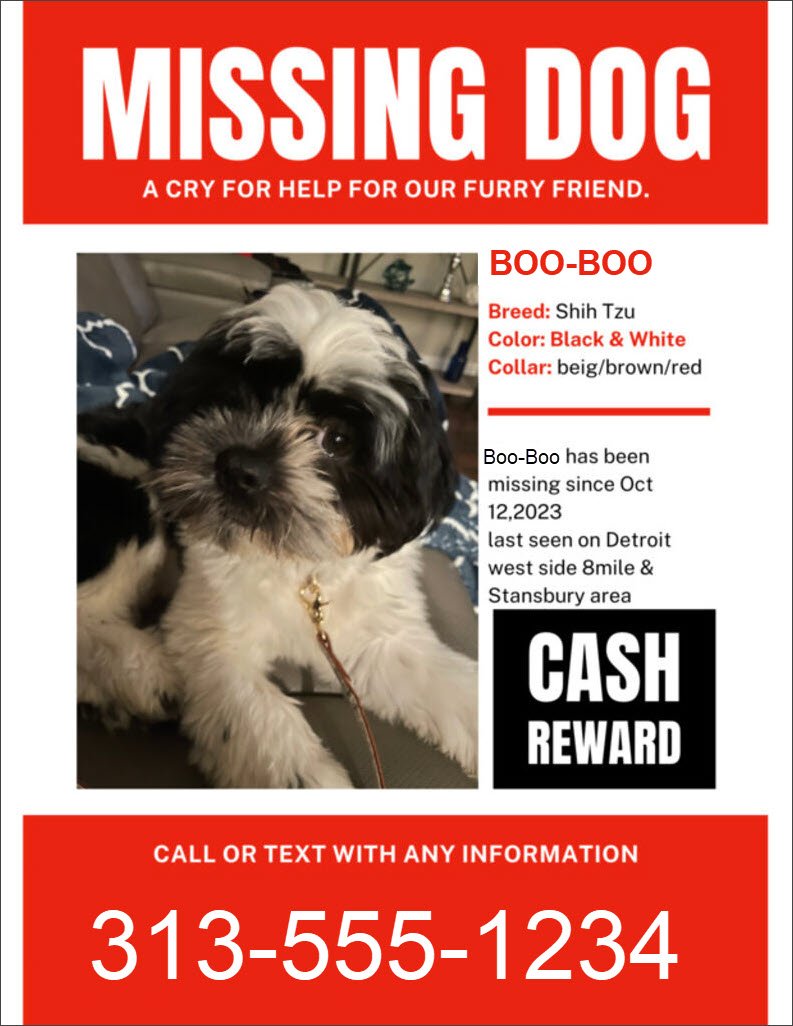
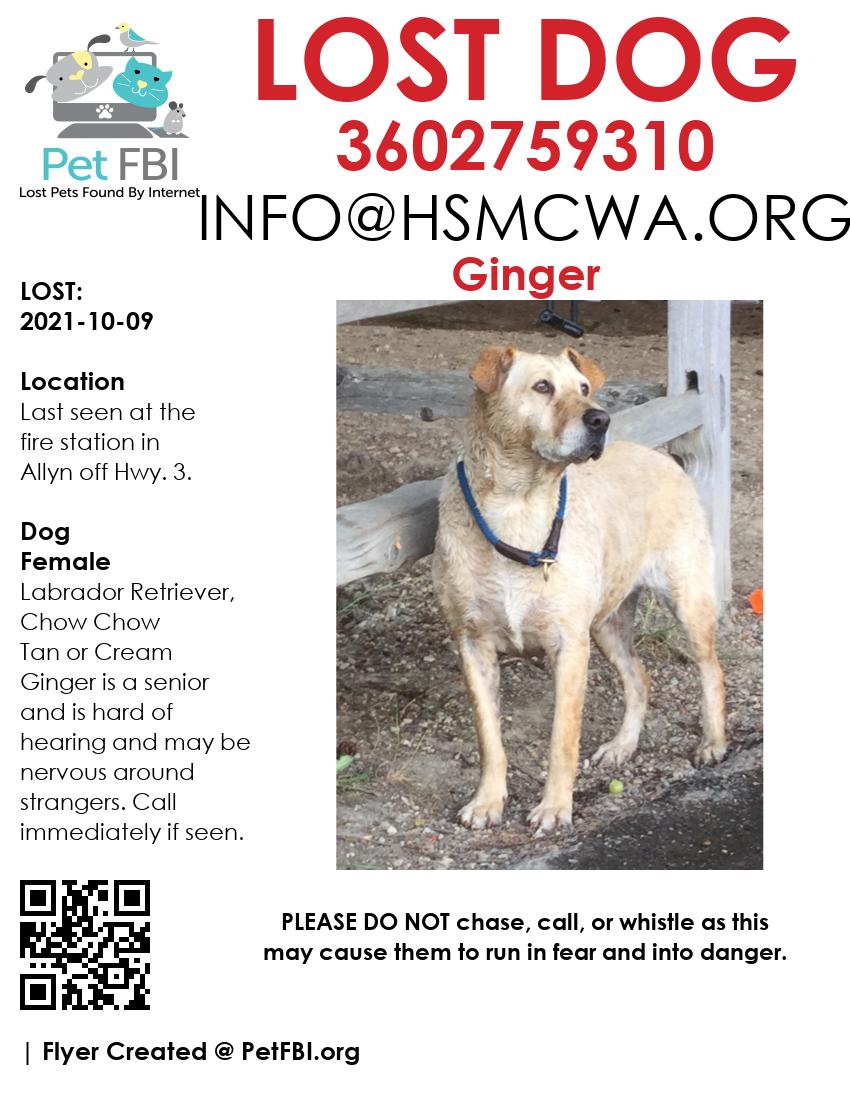
Posters go up, social media alerts multiply, and every unexpected bark raises hope. The uncertainty can weigh on both children and adults for weeks.
2. Search Costs
Printing flyers, boosting online posts, and taking time off work to comb parks add up quickly. For many families, the expense arrives right when emotions are already stretched thin.
3. Safety Worries
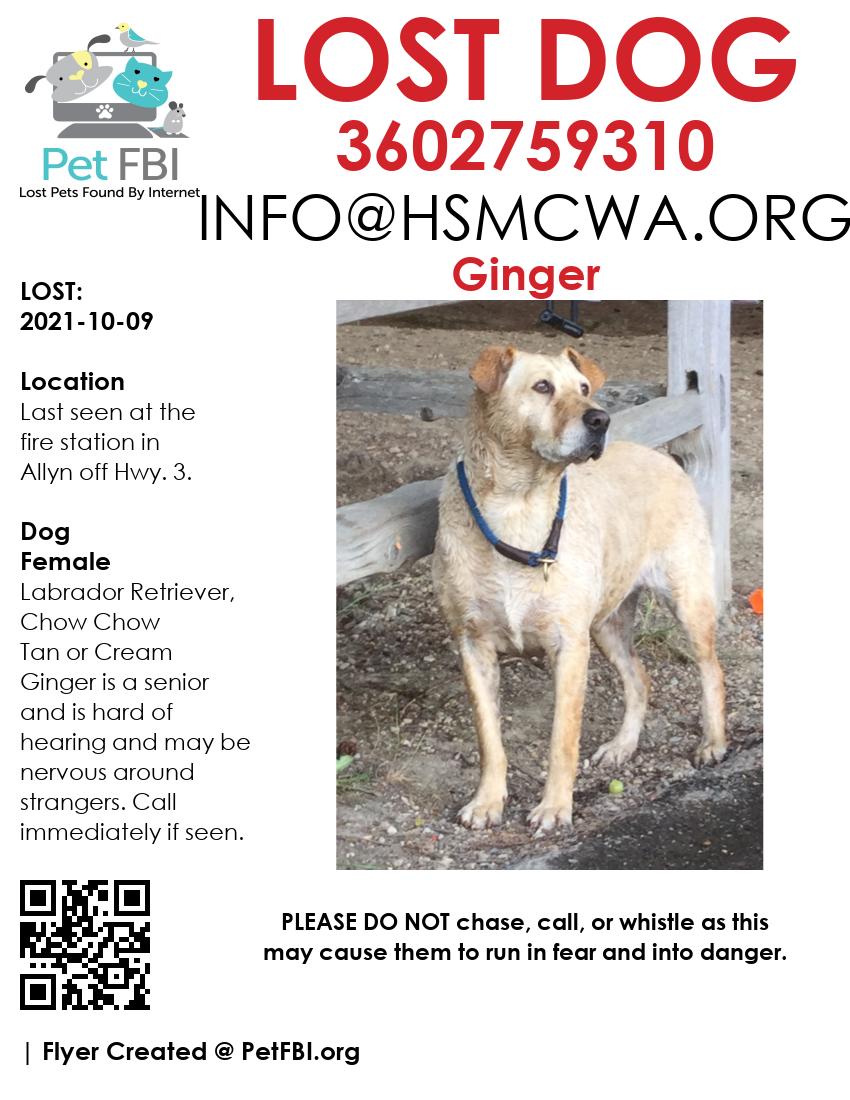
A frightened dog may dart across roads or react defensively to strangers. Loose animals can also trigger complaints and heighten tensions among neighbors.
Practical Ways to Bring More Dogs Home
1. Microchip at Every Vet Visit
A quick injection places a tiny chip under the skin. When scanned, it shows a unique code linked to the owner’s details. Keep those details current every time you move or change phone numbers.
2. Visible, Durable Tags
A stainless-steel tag riveted to a well-fitting collar offers the fastest ticket home. Include at least one phone number and, if space allows, “Needs Meds” to encourage quick calls.
3. Share Know-How Locally
Host a short workshop at the community center or add a slide to the neighborhood newsletter. When more owners understand the basics—chip, tag, recent photo—fewer dogs stay lost.
4. Team Up with Shelters and Local Services
Report a missing dog immediately to nearby shelters and online groups. Likewise, notify them when you find a stray. Quick two-way communication shortens the time a pet spends away from home.
Conclusion
Lost dogs are not inevitable. A tiny chip, a sturdy tag, and a neighborhood that talks to itself can turn most disappearances into brief adventures rather than permanent heartbreak. Everyone—owners, walkers, vets, and local groups—has a part to play in keeping tails happily wagging close to home.

Next Steps and Areas to Explore
To keep the momentum going, communities can:
1. Encourage vets to offer low-cost microchip days.
2. Add a “Pet ID Check” reminder to annual license-renewal notices.
3. Create a shared online album where residents post found dogs instantly.
4. Support studies that compare return-to-owner rates for different ID methods.
Future questions worth examining include:
1. Which combination of microchip, tag, and GPS tracker works fastest in rural versus urban settings.
2. How weather or seasonal events influence the distance a lost dog travels.
3. Whether neighborhood watch-style pet groups measurably shorten search times.
By turning lessons learned into everyday habits, we can make “lost dog” a rare headline—and reunion stories the norm.