
Shelter Dogs: A Complete Guide to Adoption and Well-Being
Introduction
When people speak of “dogs from the pound,” they are usually referring to the millions of animals waiting in shelters for a second chance. These dogs arrive after being lost, surrendered, or rescued from difficult situations. Their path from shelter kennels to warm living rooms is a story of perseverance, healing, and the life-changing impact of adoption. This article explores what that journey looks like, the hurdles these dogs overcome, and the rewards awaiting both pet and adopter.
The Reality of Shelter Dogs
The Numbers
Each year, shelters across the country receive millions of dogs. Although many find homes, a large number still face uncertain futures because space and resources are limited. These figures highlight why adoption matters and why communities must tackle the root causes of pet homelessness.
Why Dogs Lose Their Homes
Financial strain, sudden moves, or unprepared owners are common reasons dogs are surrendered. Some animals have also survived neglect or harsh treatment. Despite these setbacks, most shelter dogs adapt quickly once they feel safe, proving remarkable resilience.
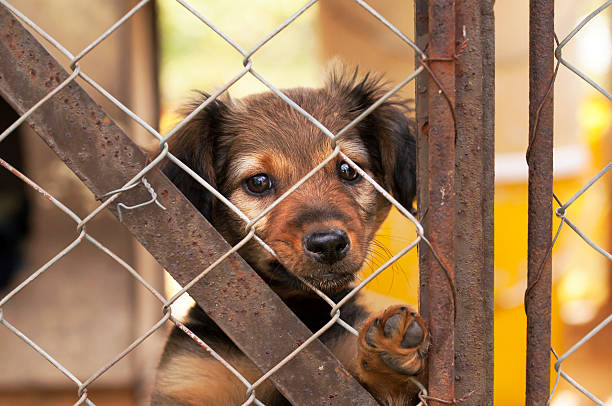
Challenges for Shelter Dogs
Behavioral Adjustments
A shelter environment can be stressful. Dogs may display shyness, excitability, or caution simply because their routine has been shattered. With patience, positive training, and time, these behaviors usually soften, revealing balanced, affectionate companions.
Medical Needs
Many incoming dogs have not seen a vet in years. Shelters routinely vaccinate, treat injuries, and spay or neuter, but the expense is high. Adopters should plan for an initial health check and be ready to continue any prescribed care.
The Rewards of Adopting
Emotional Enrichment
Sharing life with a rescued dog often brings unexpected joy. Daily walks, playful moments, and quiet evening cuddles can lower stress and create a comforting routine. Numerous owners report feeling a deeper sense of purpose after adopting.
A Life Saved, A Life Changed
Opening your home to one shelter dog frees up space for another in need. That single decision ripples outward, reducing overcrowding and giving more animals the chance to thrive.
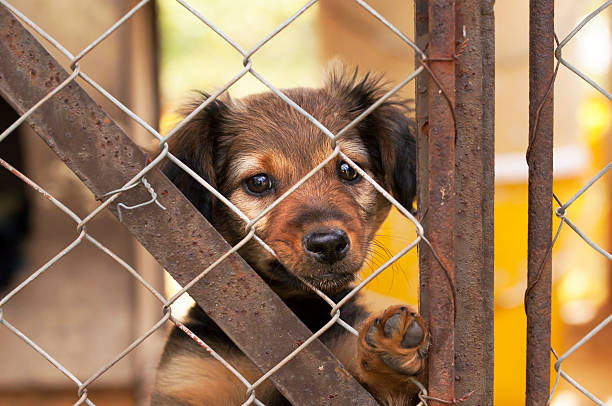
How Shelters Help
Recovery and Rehoming
Shelters provide temporary refuge, nutritious food, medical attention, and behavior evaluations. Staff and volunteers work diligently to match each dog with a compatible family, ensuring the adoption sticks.
Community Education
Through workshops, school visits, and social media, shelters teach responsible ownership, the benefits of sterilization, and the importance of identification tags. Over time, these efforts shift public attitudes and prevent future abandonment.
Conclusion
Shelter dogs embody hope. Given patience and love, they transform from uncertain strays into devoted family members. By choosing adoption and supporting local welfare groups, communities can turn more tales of hardship into stories of happiness.
Recommendations and Future Research

Several steps can strengthen the safety net for shelter dogs:
– Launch wide-reaching campaigns that celebrate adoption and explain the adoption process.
– Allocate additional funding and volunteer hours so shelters can expand training, enrichment, and post-adoption support.
– Develop targeted programs—such as low-cost spay/neuter clinics and pet-food banks—that keep dogs in their original homes when hardship strikes.
Further studies should track adopted dogs over the long term, measuring health, behavior, and owner satisfaction. Continued innovation in shelter design, stress-reduction techniques, and matchmaking algorithms will also improve outcomes. Together, these efforts can secure a brighter, kinder future for every dog that enters a shelter door.