Title: How Online Puppy Listings Are Reshaping the Pet World
Introduction:
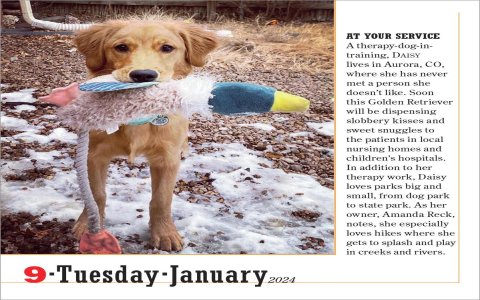
Digital marketplaces have transformed countless sectors, and pet trading is no exception. Dedicated puppy listing sites now serve as busy hubs where future owners meet breeders and re-homing families. This piece examines how these platforms influence the broader pet economy, weighing their advantages, drawbacks, and likely next steps.
Benefits of Puppy Listing Sites
1. Accessibility and Convenience:
Prospective guardians can scan dozens of profiles in minutes, filtering by size, energy level, or location. This one-stop browsing saves time and widens the pool of possible matches, lifting overall adoption and sales volumes.
2. Transparency and Trust:
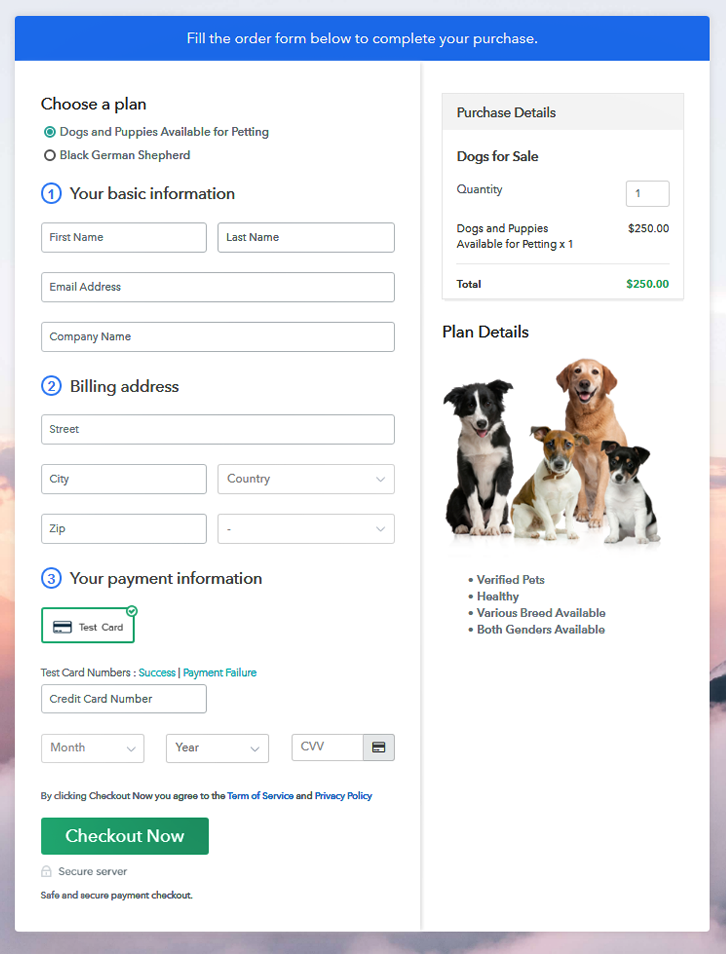
Well-run pages publish health notes, temperament hints, and photos of parent dogs. User reviews add another layer of confidence, helping visitors gauge reliability before they reach out.
3. Wider Audience:
A small home breeder can now attract interest from distant cities or even overseas, something yard signs or local papers never allowed. Sellers gain exposure, while buyers access varieties once out of reach.
Challenges of Puppy Listing Sites
1. Ethical Concerns:
Quick profits can tempt some sellers to overlook welfare, crowding females or skipping vet checks. Such shortcuts put animal well-being at risk and tarnish the trade’s image.
2. Limited Oversight:
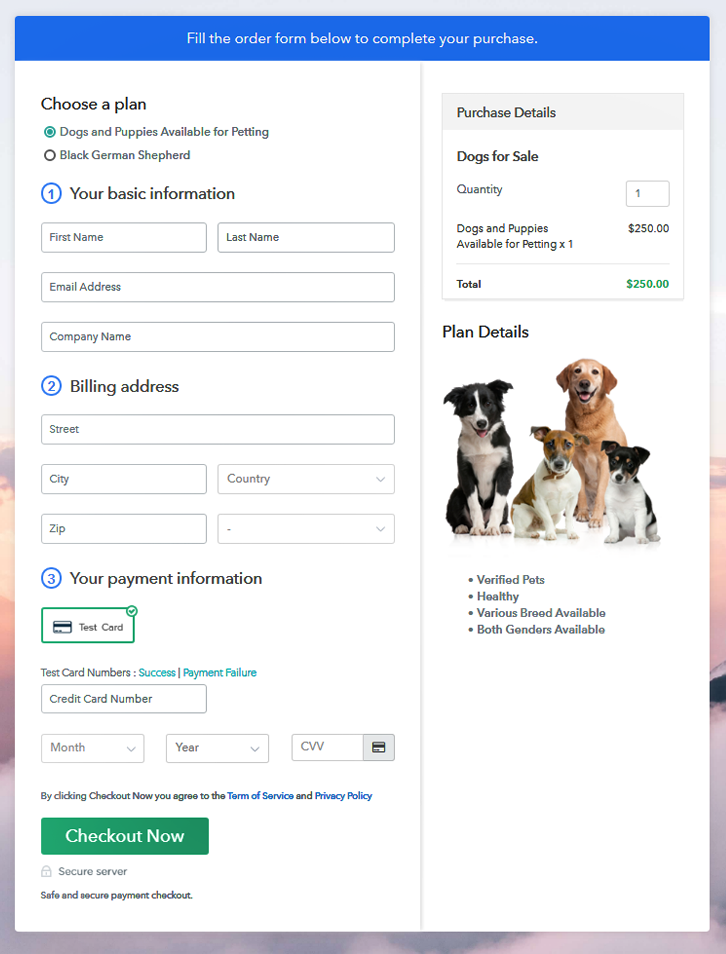
With no universal policing, fake profiles or misleading descriptions slip through. Buyers may arrive to find a pup whose health story differs sharply from the glowing ad.
3. Market Saturation:
Success breeds competition. When dozens of similar litters appear at once, prices fall and quality can follow, making it harder for diligent breeders to stand out.
Impact on the Pet Industry
1. Push for Higher Standards:
Visibility rewards breeders who invest in health tests, enrichment, and pedigree diversity. Ethical practices become a selling point rather than a private virtue.
2. Boost to Pet Services:
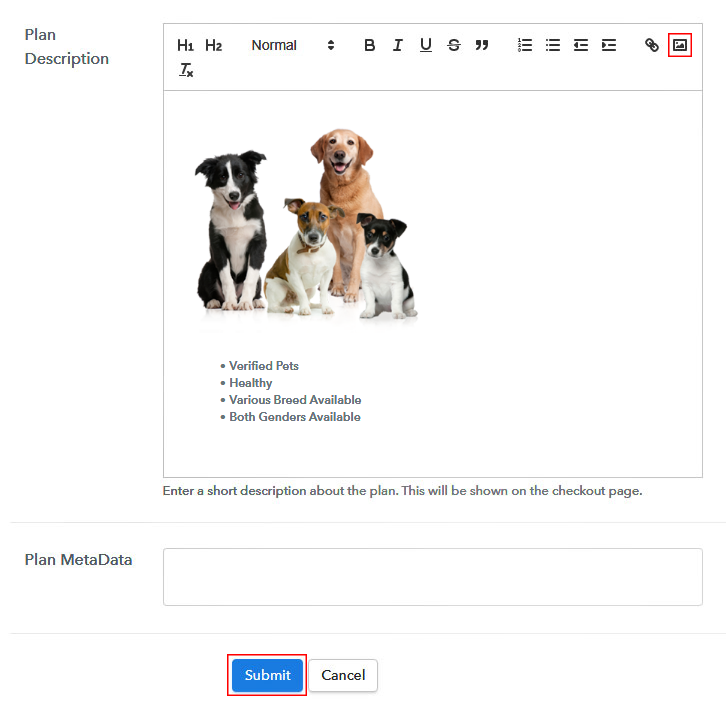
Every successful match creates demand for trainers, groomers, insurers, and treat makers. The ripple effect enlarges the service ecosystem well beyond the initial sale.
3. Public Education:
Articles, breed guides, and care checklists posted alongside listings raise baseline knowledge. Better-informed owners mean fewer impulse purchases and smoother long-term relationships.
Future Prospects
1. Tighter Rules and Monitoring:
Industry groups and platforms are experimenting with verified badges, mandatory vet certificates, and clearer return policies. Uniform standards could curb abuse and reassure shoppers.
2. Smarter Tech Tools:
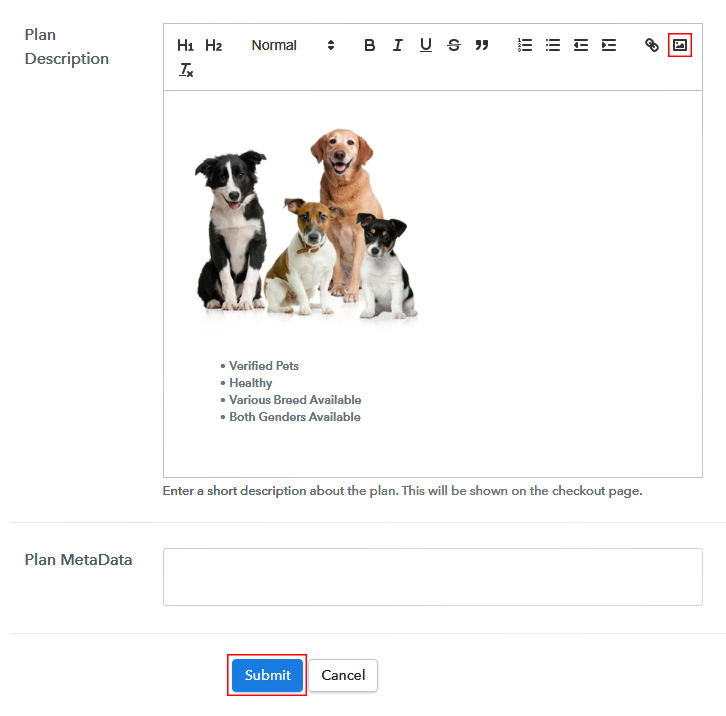
Virtual kennel tours, algorithm-based compatibility quizzes, and secure payment rails promise safer, faster deals while reducing fraud.
3. Spotlight on Adoption:
Many sites now dedicate space to shelter animals. By featuring rescues alongside marketed litters, they steer attention toward pets already waiting for homes.
Conclusion:
Online puppy listings have broadened choice, lifted transparency, and energized pet services, yet they also expose gaps in welfare oversight. Striking the right balance—through clearer rules, smarter technology, and continued promotion of adoption—will determine whether these platforms become a lasting force for good in the ever-evolving pet landscape.