The Enchanting World of Cute Puppies: A Comprehensive Analysis
Introduction
Cute puppies have long brightened homes and hearts across cultures. Their soft fur, clumsy play, and trusting eyes invite smiles and lower defenses. This overview looks at why these young dogs captivate us, how they influence mood and social life, and what biology underlies the warm rush we feel when we see them.
The Psychological Impact of Cute Puppies
The Power of Cuteness
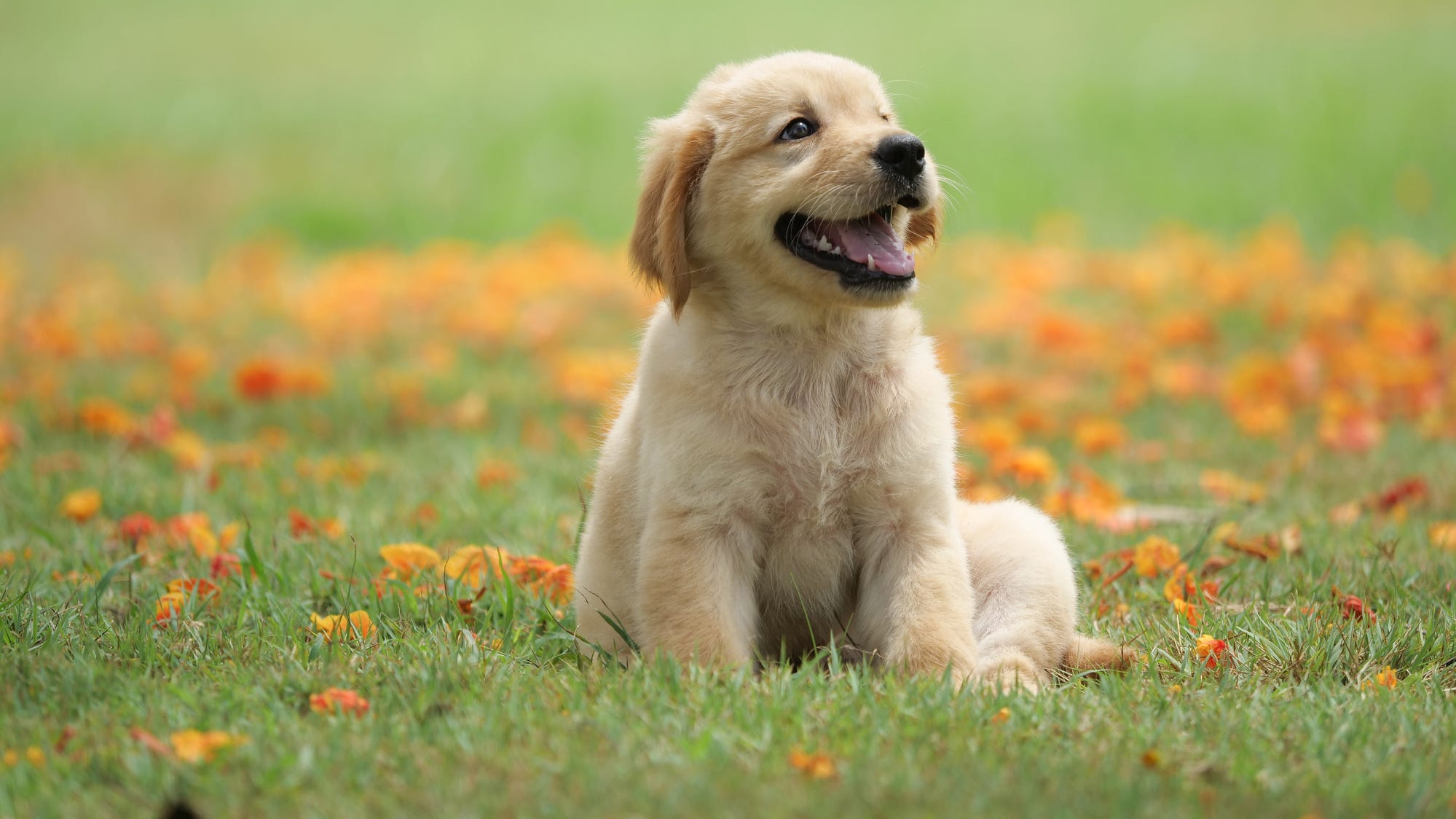
Psychologists use the term “kindchenschema” to describe the large forehead, round face, and big eyes that trigger nurturing instincts. Viewing such features in puppies can lift mood, lower blood pressure, and briefly sharpen careful attention. In controlled tests, adults shown puppy photos later performed detail-oriented tasks more patiently, suggesting the images prime a gentle, focused state of mind.
Enhancing Social Bonds
A puppy in the room dissolves awkwardness. Strangers strike up conversations about the wagging tail, and children learn to share space and toys. Because the animal is non-judgmental, people practice kind speech and reading body language, skills that carry over into human relationships. Group activities such as puppy-training classes further expand social circles around a shared, low-stakes goal.
The Role of Cute Puppies in Society
Therapy and Emotional Support
In hospitals, retirement homes, and crisis centers, calm, well-socialized puppies visit as part of animal-assisted programs. Patients report reduced pain perception and increased motivation for recovery goals such as walking or speaking. Handlers note that even brief stroking sessions release oxytocin in both person and pup, creating a feedback loop of comfort.
Education and Conservation
Schools invite young dogs to teach empathy and responsibility. Students practice gentle touch, measure food portions, and discuss spay-neuter benefits, lessons that generalize to wildlife stewardship. Zoos and shelters capitalize on the draw of puppies to introduce broader themes: adopting older animals, protecting native habitats, and reducing plastic waste that can entangle creatures outdoors.
The Science Behind the Charm
Evolutionary Perspective
Humans evolved to protect babies; puppies hijack that circuitry. Their high-pitched barks, wobbly gait, and proportionally large eyes mimic human infants, prompting a quick, unconscious caregiving response. This cross-species reaction benefits the dog’s survival and enriches the human experience of companionship.
Neuroscience Insights
Brain scans reveal that seeing a puppy activates reward regions such as the ventral striatum and orbitofrontal cortex, the same areas that light up when we receive money or taste chocolate. Simultaneously, mirror-neuron systems encourage us to copy the relaxed body language of a content pup, lowering our own stress levels through embodied empathy.
Conclusion
From living-room sofas to clinical corridors, puppies soften moods, knit people together, and illustrate deep evolutionary roots of care. Continued study promises fresh insight into how interspecies friendship benefits both sides of the leash, reminding us that small paws can leave large emotional footprints.