



The Impact of Canine-Centered Advertising on Modern Marketing
Introduction
In today’s media-saturated environment, promotional messages surround us at every turn. Social networks, streaming services, and outdoor displays constantly compete for attention, prompting marketers to search for creative shortcuts to the viewer’s heart. One increasingly popular tactic is to place dogs at the center of the story. By harnessing the universal warmth people feel toward canines, brands hope to spark instant affection and, in turn, stronger recall. This overview examines why four-legged stars have become commonplace, how well they work, and what marketers should keep in mind when inviting them on set.
The Concept of Canine-Centered Advertising
What Are Canine-Centered Ads?
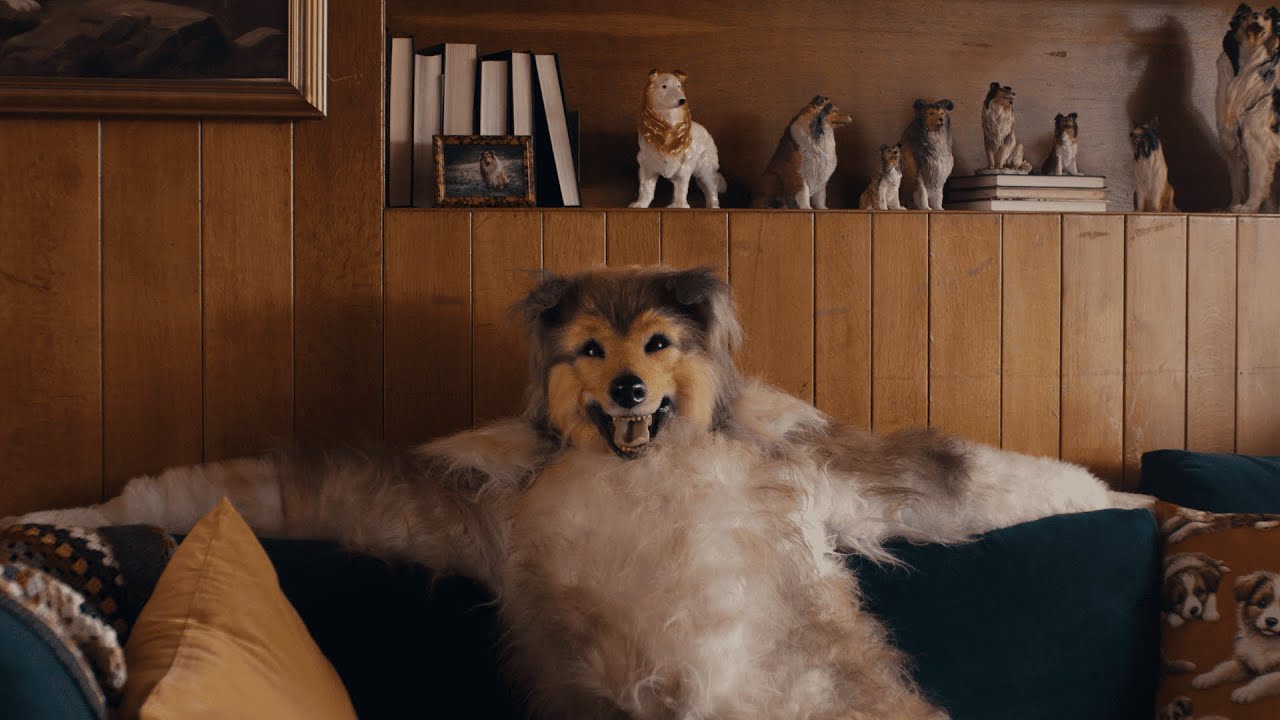
Canine-centered ads are commercials, posters, or posts that give dogs a leading role. From short online clips to highway billboards, the format varies, yet the goal is the same: borrow the animal’s built-in likability to soften the sales pitch. Rather than simply showing a pet beside a product, modern campaigns often build an entire narrative around the dog, letting its personality deliver the message.
The Emotional Connection

Why Dogs Trigger Feelings
Few sights break through indifference faster than a wagging tail. Psychologists note that images of dogs can release oxytocin, the same hormone linked to human bonding. When an ad sparks that reaction, the pleasant feeling can transfer to the brand, nudging viewers toward trust and repeat exposure. Over time, this subtle association can strengthen loyalty more effectively than a list of product specs.
The Effectiveness of Canine-Centered Campaigns
Gauging the Results
Success is typically tracked through recall studies, social shares, and incremental sales lifts. Industry reviews repeatedly show that spots starring dogs achieve above-average completion rates on digital platforms and generate more organic reposts. Surveys also indicate that a large majority of households react more favorably to brands that include pets in a respectful, light-hearted way.
The Role of Dogs in Brand Identity
Strengthening Brand Image
Loyalty, protection, and playfulness are traits people readily assign to dogs. When a company weaves these qualities into its storytelling, it can position itself as dependable and friendly without stating it outright. Over multiple campaign cycles, the animal can become an informal mascot, shortening the distance between logo and lifestyle.
The Challenges and Ethical Considerations

Responsible Use of Animal Stars
Charm alone is not enough; welfare matters. Sets must be calm, schedules short, and trainers qualified. Guidelines published by animal-protection bodies recommend ample rest, positive reinforcement, and on-site monitors who can halt filming if stress signs appear. Brands that ignore these standards risk public backlash that can erase any goodwill the dog initially created.
Case Studies: Memorable Canine Campaigns
Lessons from the Spotlight
A soap brand once cast a scruffy shelter dog to illustrate unconditional love, pairing the message with donations to pet shelters. The combination of emotion and social purpose multiplied media coverage and store visits. In another series, a grooming product used quick-cut comedy of an over-confident pooch to appeal to younger viewers, turning the animal’s swagger into a repeatable meme that kept the product in conversation long after paid media ended.
Conclusion
Key Takeaways
Dogs offer advertisers a shortcut to empathy, but the trick only works when the animal’s well-being and the audience’s intelligence are respected. When executed with sincerity and transparency, canine-centered storytelling can lift recall, enhance brand personality, and create shareable moments that outlive the media buy. As competition for attention intensifies, the bark that feels authentic will continue to be heard above the noise.
Recommendations and Future Research
Looking Ahead
Marketers planning to bring dogs on board should partner with certified trainers, adopt clear welfare policies, and disclose any post-production tricks that might mislead viewers. Further studies could explore how different cultures interpret canine cues, whether mixed-breed or pedigree dogs produce varying emotional scores, and how long the positive lift persists once the campaign ends. By pairing creativity with responsibility, brands can ensure that the appeal of man’s best friend remains a win-win for commercials, consumers, and canines alike.


