


Pug Puppies for Sale: A Friendly Guide
Introduction
Pugs continue to win hearts across the country, and many families are eager to welcome one of these charming little dogs into their homes. This guide outlines what to expect from the breed, how to find a healthy puppy, and how to prepare for life with a new four-legged friend.
Breed Characteristics
Appearance
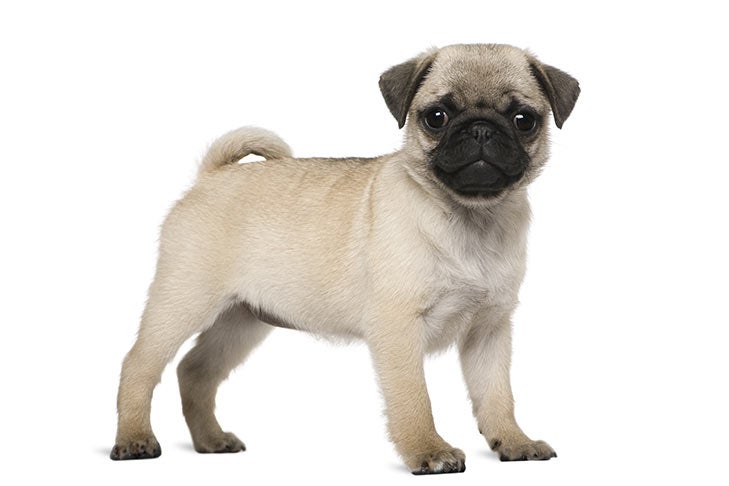
Pugs are instantly recognizable by their wrinkled foreheads, curled tails, and sturdy, compact frames. Their smooth coats come in shades such as fawn, apricot, silver, and black. Adults typically weigh between 14 and 18 pounds and often live 12 to 15 years when given proper care.
Temperament
These dogs thrive on human company. They are generally patient with children, polite with other pets, and eager to join whatever the household is doing. Consistent, positive training keeps their clever minds engaged and prevents stubborn habits.
Health
Like many purebred dogs, pugs can face certain health challenges—eye irritations, skin sensitivities, and breathing noise among them. Routine vet visits, a healthy weight, and moderate exercise go a long way toward keeping problems in check.
Finding a Pug Puppy
Breeder Sources
A responsible breeder prioritizes temperament and health over sheer numbers. When you contact a breeder:
– Arrange to meet the mother dog and see the environment where puppies are raised.
– Ask for proof of health screenings and up-to-date vaccinations.
– Expect questions yourself; good breeders want to match each puppy with the right home.
Rescue Organizations
Breed-specific rescues often have young dogs or adolescents in need of a second chance. Adoption counselors can help you find a pug whose energy level and personality suit your lifestyle.

The Adoption Process
Preparing Your Home
Before puppy day, gather the essentials:
– A safe crate or playpen for rest and house-training.
– Soft bedding, chew toys, and puzzle feeders to keep curious minds busy.
– Puppy-proof each room by removing loose wires, toxic plants, and small objects that could be swallowed.

Meeting the Puppy
During your visit, watch for:
– A bright, inquisitive attitude and willingness to approach people.
– Clear eyes and clean ears without strong odor.
– Easy movement free from coughing, wheezing, or lameness.
Finalizing the Adoption

When you have found the right match:
– Review and sign the adoption or purchase agreement.
– Schedule the first veterinary exam within the first week.
– Gradually introduce your pup to its new routine, family members, and surroundings.
The Importance of Responsible Ownership
Training and Socialization

Start gentle training the day your pug arrives. Short, upbeat sessions teach basic manners and build confidence. Expose your puppy to different sights, sounds, and friendly people so it grows into a well-adjusted adult.
Health Care
Keep vaccinations, parasite prevention, and dental care on schedule. Because pugs can gain weight quickly, monitor body condition and adjust meals accordingly.
Nutrition
Choose a high-quality food appropriate for your dog’s age and activity level. Measure portions rather than “free-feeding,” and limit rich treats to keep the waistline trim and the breathing easier.
Conclusion

A pug can be a delightful, comical, and devoted companion for years to come. By researching breeders or rescue groups, preparing your household, and committing to ongoing care and training, you set the stage for a smooth transition and a lifetime of shared affection.


