The Biggest Breed of Rabbit: A Comprehensive Analysis
Introduction
Rabbits are beloved companions and productive farm animals across the globe. Among the many recognized varieties, one question often hops to the front: which breed is the largest? This article explores the traits, background, and appeal of the heavyweight contenders to crown the gentle giant of the rabbit world.
The Criteria for Determining the Biggest Breed of Rabbit
Size comparisons rest on three main pillars: weight, height, and overall body mass. Temperament, historical role, and modern popularity also shape how we appreciate these impressive breeds.
The Flemish Giant: The Largest Rabbit Breed

Originally developed in Belgium, the Flemish Giant has earned worldwide fame for its remarkable bulk and calm disposition. Adults routinely tip the scales at around twenty pounds and can measure over twenty inches from floor to shoulder.
Physical Characteristics
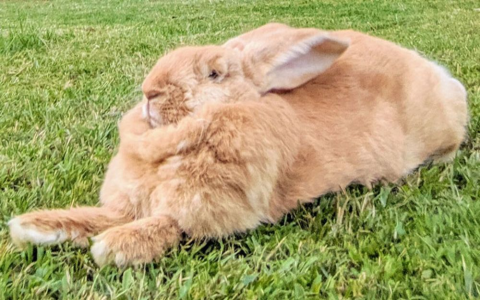
A broad, powerful frame supports a dense, glossy coat that appears in several classic colors. Long, velvety ears frame expressive eyes, giving the rabbit an endearing, laid-back look that wins over families and first-time owners.
History and Purpose
First refined several centuries ago, the breed served dual roles as a reliable meat source and an eye-catching show animal. Over time, its easy-going nature shifted the spotlight toward life as a companion, securing its place in living rooms as well as barns.
Popularity and Recognition
Today the Flemish Giant enjoys top billing at exhibitions and on social media, where photos of sofa-sized bunnies routinely go viral. Major rabbit organizations list it as an official breed, cementing its reputation as the king of the hutch.
The German Giant: A Close Second
Germany’s answer to the size race is the German Giant, sometimes called the German Heavyweight. Though slightly less famous, it matches its Belgian cousin in both mass and mellow temperament.
Physical Characteristics
Males often reach the twenty-pound mark, while females settle a little lighter. A deep chest, sturdy limbs, and plush fur echo the Flemish silhouette, making the two breeds easy to confuse at a glance.
History and Purpose

Emerging in the late nineteenth century, the German Giant was cultivated for efficient meat production. As demand for gentle giants grew, breeders emphasized docility, transforming a livestock staple into a sought-after pet.
Popularity and Recognition
While still trailing the Flemish Giant in numbers, the German Giant holds official status in breed registries and attracts a devoted following impressed by its calm demeanor and formidable presence.
The English Giant: A Competitor for the Title
British breeders also threw their hat into the ring with the English Giant, a breed developed to combine size, fur quality, and an amiable personality.
Physical Characteristics

Comparable in weight to the other giants, the English Giant boasts a broad head, strong hindquarters, and a thick rollback coat that invites petting. Its ears, though long, carry a slight taper that lends a distinctive silhouette.
History and Purpose
Created during the same era of agricultural expansion, the breed initially supplied quality meat and fur. Enthusiasts later championed its friendly nature, moving it from farmyard to fireside.
Popularity and Recognition
The English Giant remains rarer than its continental relatives, yet specialty clubs and dedicated breeders keep the line alive, praising its affectionate character and statuesque charm.
Conclusion

When the dust settles in the competition for colossal cottontails, the Flemish Giant stands tallest, with the German and English Giants close behind. All three offer an irresistible mix of grandeur and gentleness, ensuring that admirers of oversized lagomorphs will continue to cherish these remarkable breeds for years to come.